
Menu
< Main Menu
Social Media





Board and batten siding, a style with deep historical roots, has seen a resurgence in popularity, offering a unique blend of rustic charm and modern simplicity. Originating from utilitarian structures in medieval Europe, this siding style has evolved to become a sought-after design element in contemporary homes. Known for its distinctive pattern of wide boards and narrow battens, board and batten siding adds texture and visual interest to exteriors. This article explores the rich history of board and batten, its adaptation in modern architecture, and why it continues to captivate homeowners and designers alike.
Board and batten siding has its origins in the 19th century, primarily used in barns and other agricultural buildings. Its simple construction made it ideal for providing sturdy and effective protection against the elements. The style was characterized by vertical boards joined together by narrow wooden strips, or battens, covering the seams. This method not only ensured durability but also created a distinct, rhythmic facade. Over time, board and batten made its way into residential architecture, becoming synonymous with farmhouse and cottage styles, and later, a feature in various siding styles across different architectural genres.
In modern architecture, board and batten siding has been reinterpreted to suit various styles, from traditional to minimalist. It's no longer just a feature of rural homes but is now seen in urban settings, adding texture and depth to simplistic designs. The versatility of board and batten allows for a range of materials, including wood, vinyl, and fiber cement, each offering different aesthetic and practical benefits. This siding style also supports sustainable design trends, with options like reclaimed wood or eco-friendly composites gaining popularity.
While board and batten siding offers aesthetic appeal, it comes with considerations. Maintenance can be a challenge, especially with wood, which may require regular painting or staining to prevent weathering and decay. Installation precision is crucial to ensure proper alignment and sealing of the battens. Homeowners should also consider the local climate; in areas with extreme weather, more durable materials like fiber cement might be a better choice. Despite these challenges, the enduring beauty and character of board and batten make it a worthwhile investment for many.
In conclusion, board and batten siding is more than just a nod to the past; it's a versatile and enduring design element that continues to enrich modern architecture. Whether aiming for a rustic feel or a contemporary look, this siding style offers a unique way to express personal taste and enhance a home's curb appeal. As architectural trends evolve, board and batten remains a timeless choice, seamlessly blending historical elegance with modern functionality, and continuing to shape the aesthetic landscape of residential design.
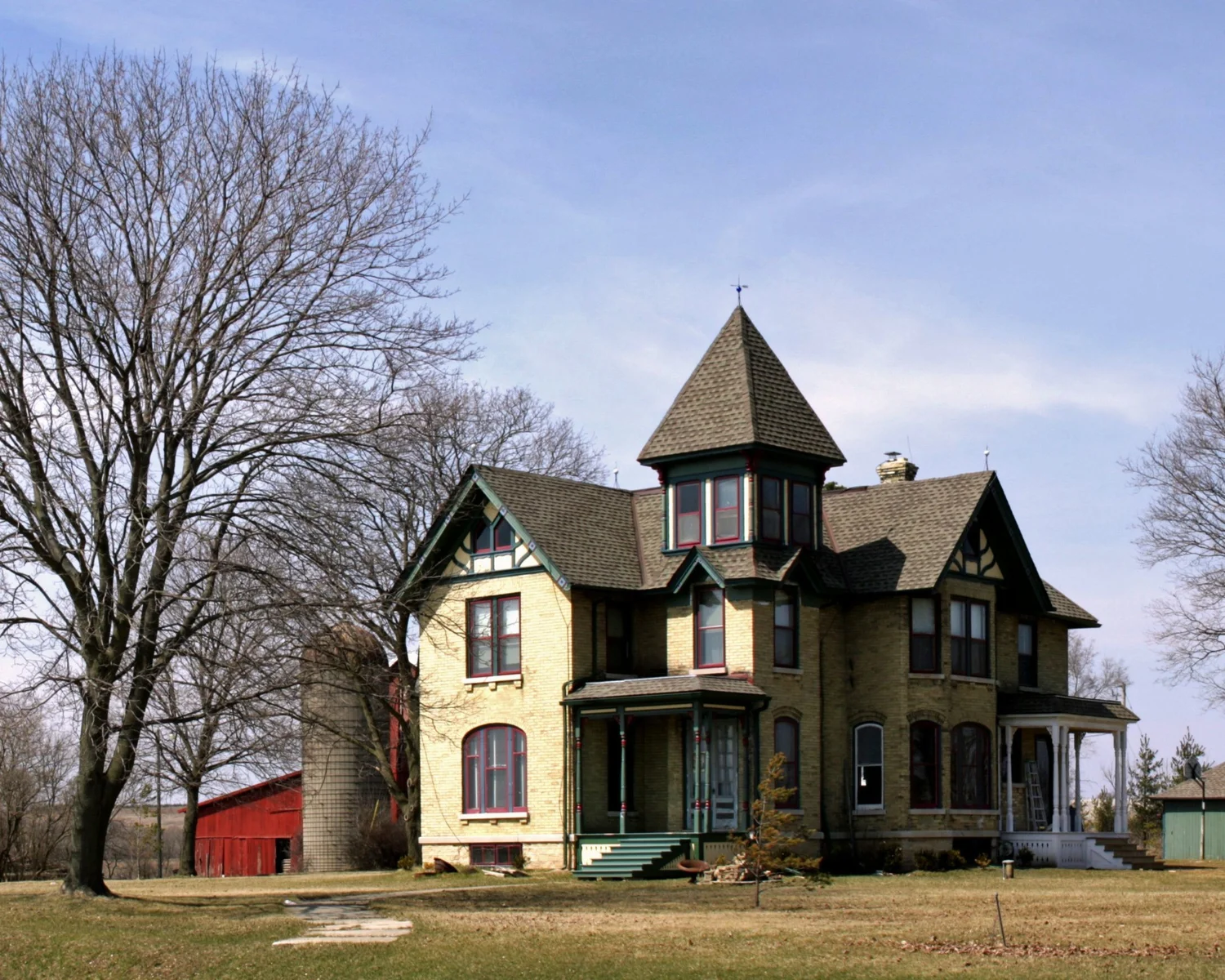
From the frontier to the suburbs, we uncover the history and evolution of roofing in Texas.
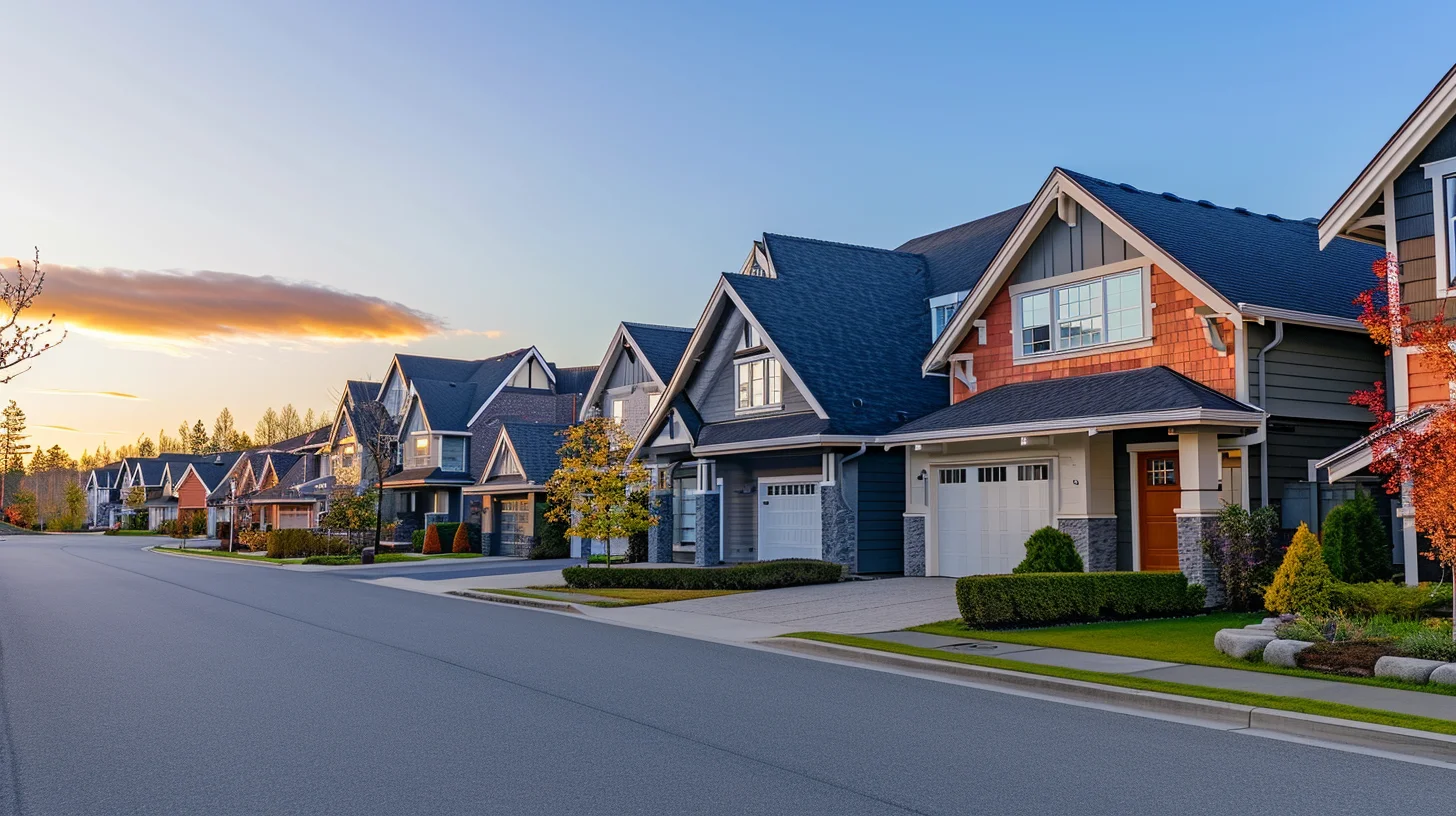
Confused by types? We decode the differences between gable, hip, and flat roof systems.
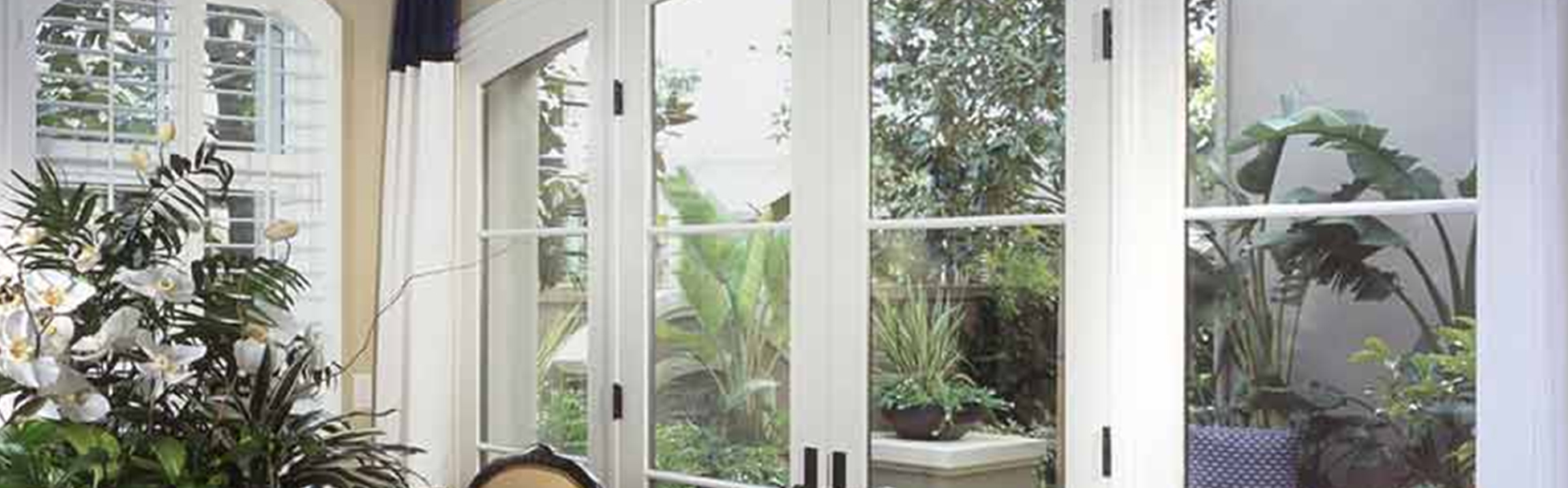
Don't let common misconceptions hold you back. We separate fact from fiction to help you choose the best patio doors for your home.
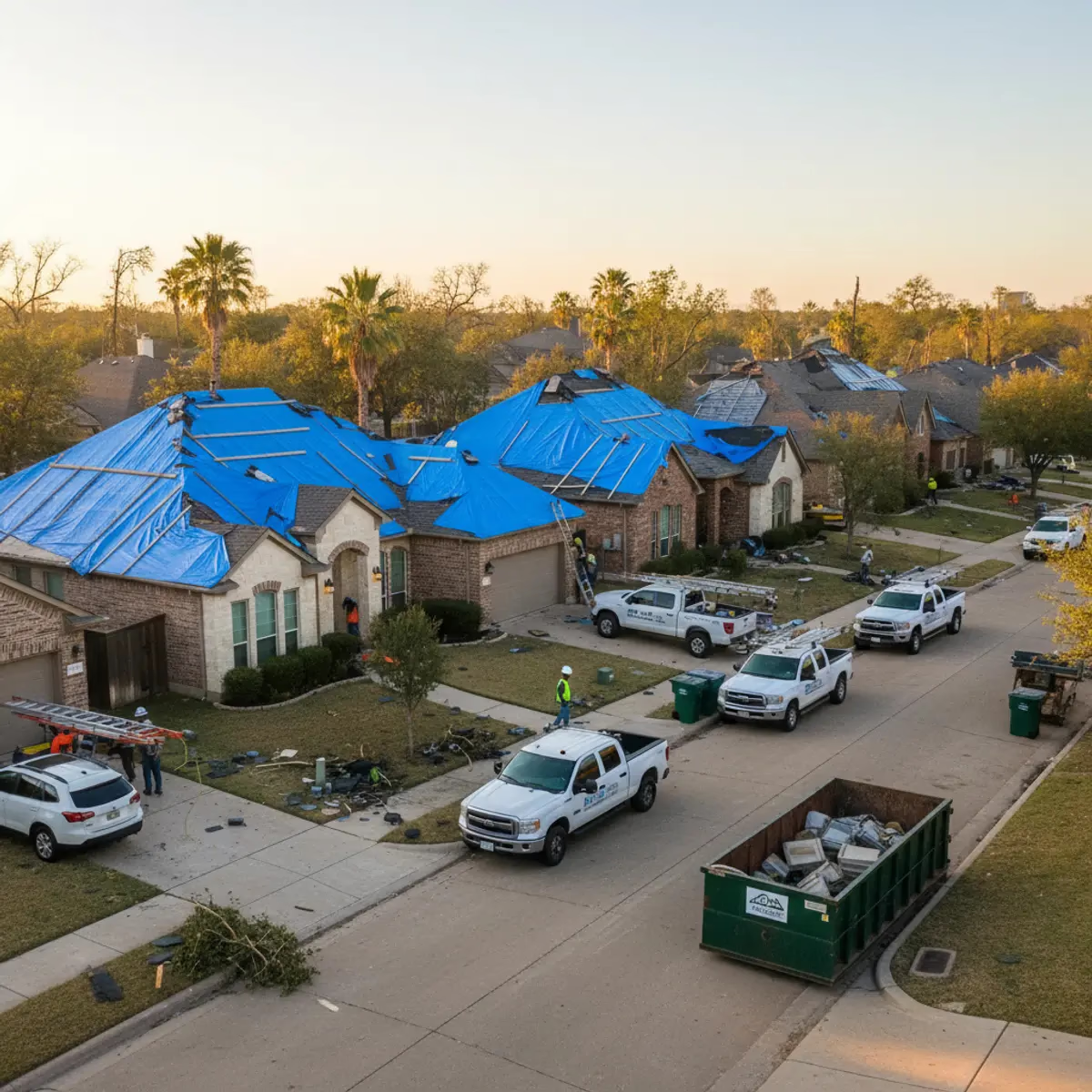
After an Austin hailstorm, “free roof” offers can hide deductible schemes and weak warranties. Learn how local roofing services support better documentation, smoother claims, and long-term accountability—plus 5 questions to vet any roofer.

Don't hire blindly. Learn the key factors to look for when selecting a trustworthy roofer.
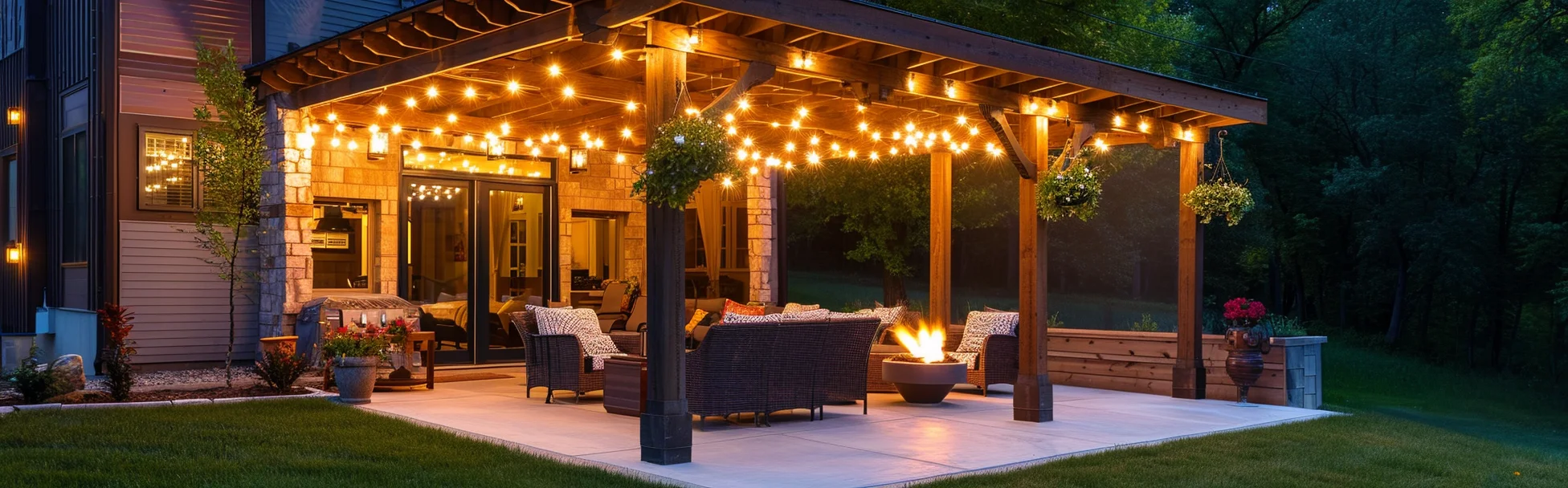
Set the mood outdoors. Explore creative lighting ideas to illuminate your patio and yard.

Austin Pro crafts exteriors that not only captivate but also promise steadfast protection and reliability, embodying the vibrant spirit of Austin in every facade. Your home's exterior is its silent storyteller and first impression; let us help it speak volumes without uttering a word.