
Menu
< Main Menu
Social Media





The story of Texas roofing is a tapestry woven with threads of history, culture, and innovation. From the early Spanish missions with their distinctive clay tiles to the modern skyline of Dallas adorned with cutting-edge materials, Texas's roofing history mirrors its diverse and dynamic spirit. This article takes you on a journey through time, exploring how roofing in Texas has evolved, not just as a functional necessity, but as an integral part of its architectural identity. As we traverse from past to present, we uncover the unique aspects that make Texas roofing a subject of both historical significance and contemporary relevance.
Texas's roofing history is as rich and varied as the state itself. Initially influenced by Spanish colonial architecture, the use of clay tiles was prevalent, particularly in the southern regions. As settlers moved in, wood shingles became common, reflecting the natural resources available. The turn of the 20th century brought with it the introduction of metal roofing, favored for its durability and heat reflection properties, essential in the Texas heat. This segment delves into the historical influences that shaped the roofing styles in Texas, reflecting the cultural and geographical diversity of the state.
Today, Texas roofing is a blend of functionality, aesthetics, and innovation. Homeowners and architects alike prioritize durability and energy efficiency, leading to the adoption of modern materials like solar tiles and green roofing. This section explores how contemporary roofing practices in Texas not only address the climatic challenges but also contribute to the aesthetic appeal of buildings. Real-world examples include residential homes in Austin with solar panel roofs and green roofs in urban Dallas buildings, showcasing the practical applications of modern roofing technology in Texas.
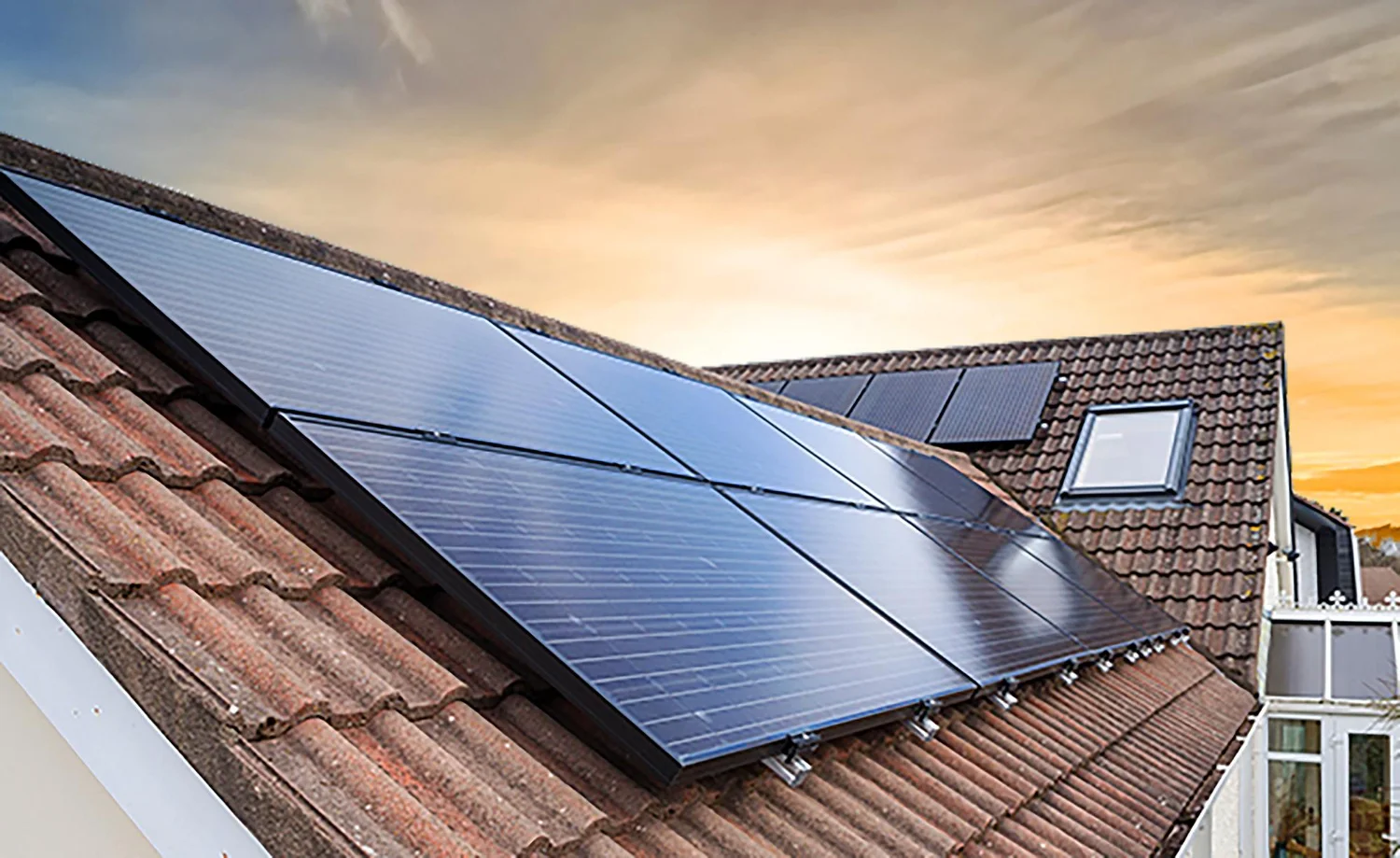
The future of Texas roofing is shaped by the dual challenges of innovation and sustainability. With increasing environmental awareness and technological advancements, the roofing industry in Texas is rapidly adapting. This section discusses emerging trends like sustainable materials, energy-efficient designs, and the incorporation of smart technology in roofing systems. It highlights how these advancements are not only environmentally responsible but also cost-effective in the long run, catering to the evolving needs of the Texan populace.
In conclusion, the rich history of Texas roofing is a testament to the state's ability to adapt and innovate. From traditional clay tiles to modern solar panels, the evolution of roofing in Texas mirrors its broader cultural and technological progress. As we look towards the future, the roofing industry in Texas stands poised to embrace sustainability and innovation, ensuring that this legacy continues to evolve and inspire. Whether it's preserving historical architecture or pioneering new technologies, Texas roofing remains an integral part of the state's architectural and cultural narrative.

From vinyl to fiber cement, we dive deep into the pros and cons of today's top siding materials to help you find your home's "perfect skin."
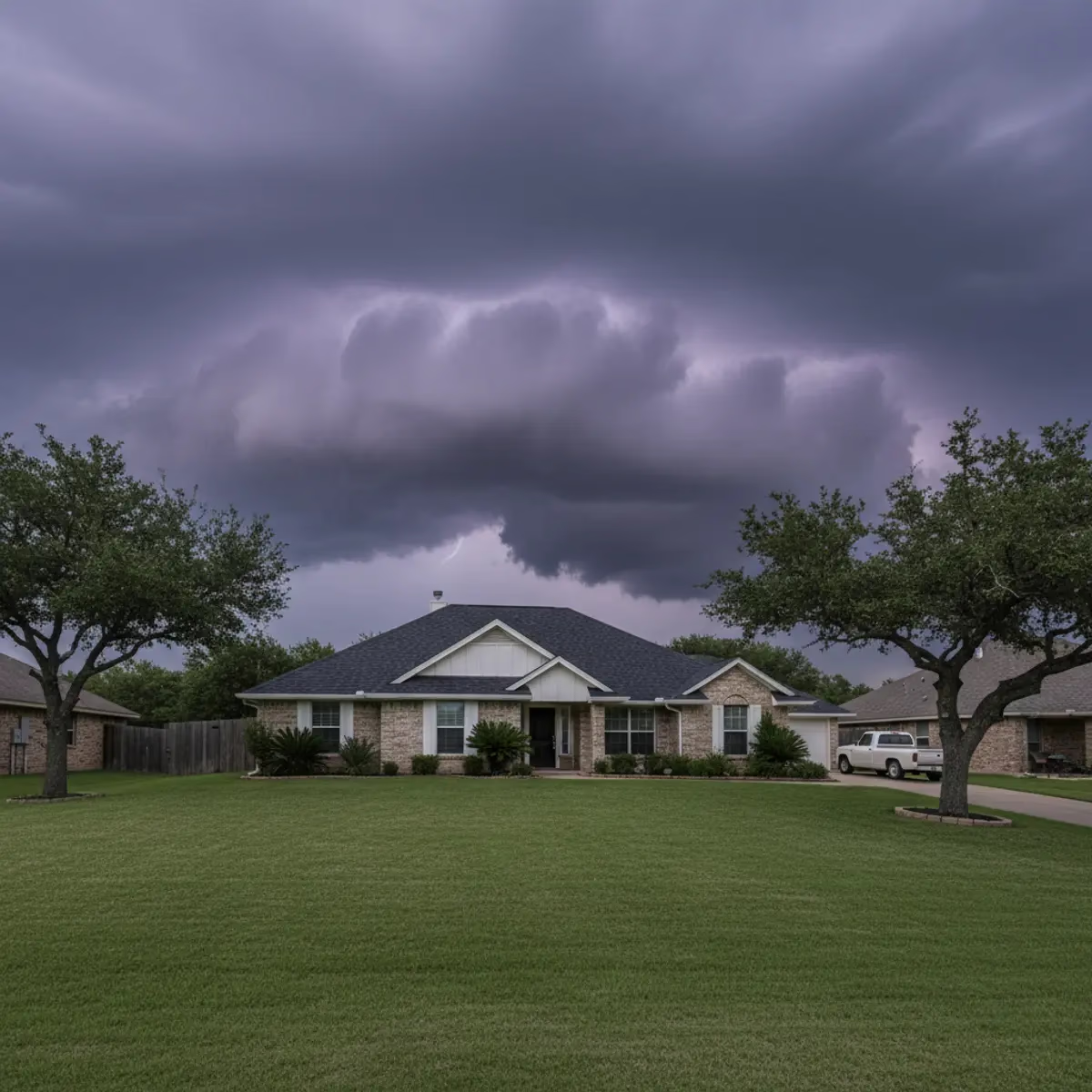
Austin insurance premiums are rising, and your roof is a major factor. Learn how Class 4 impact-resistant shingles (UL 2218) can reduce hail damage risk and may unlock meaningful discounts—plus how to calculate 10-year ROI and document the upgrade.
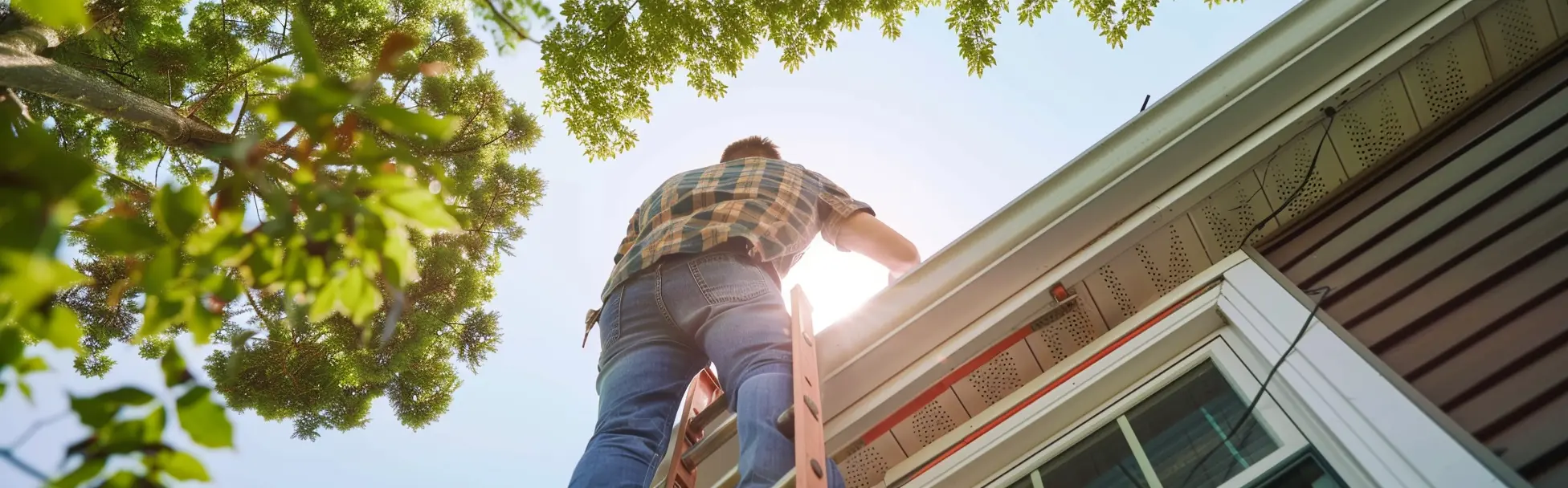
Winter can be harsh. Here’s how to inspect and prep your roof for the spring rains.
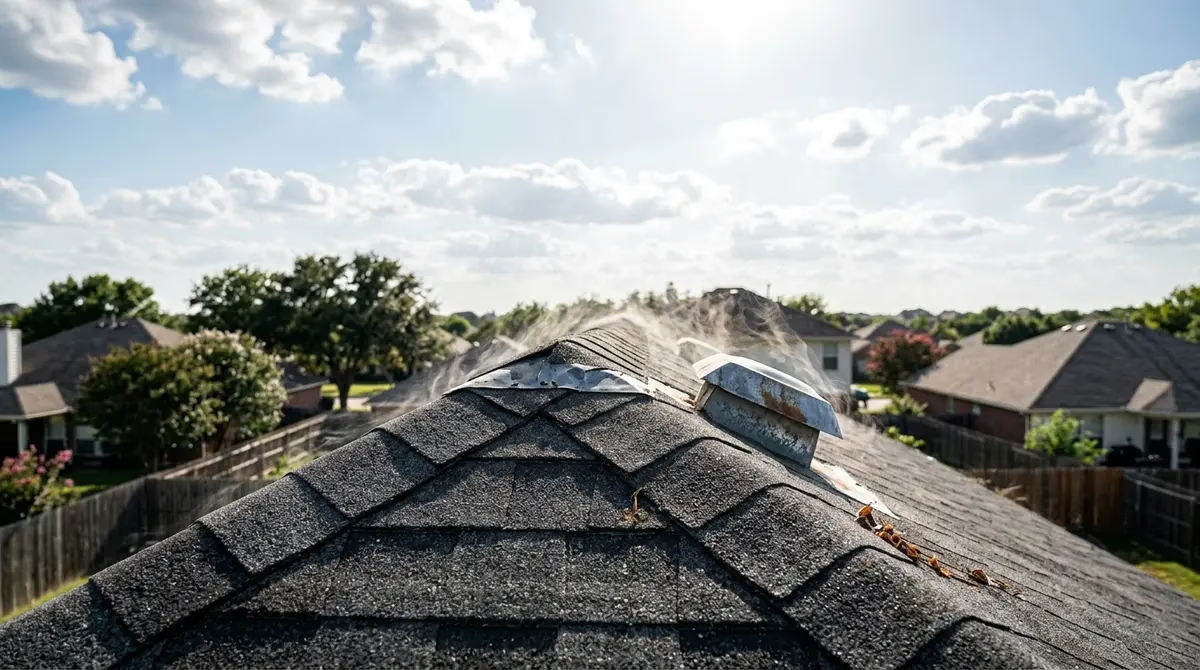
In Austin's brutal summer heat, a blocked ridge vent can push attic temperatures to 160°F — silently destroying your AC system, voiding your shingle warranty, and inflating your energy bills. Learn how to spot the warning signs and why fixing your roof ventilation is one of the highest-return investments an Austin homeowner can make.
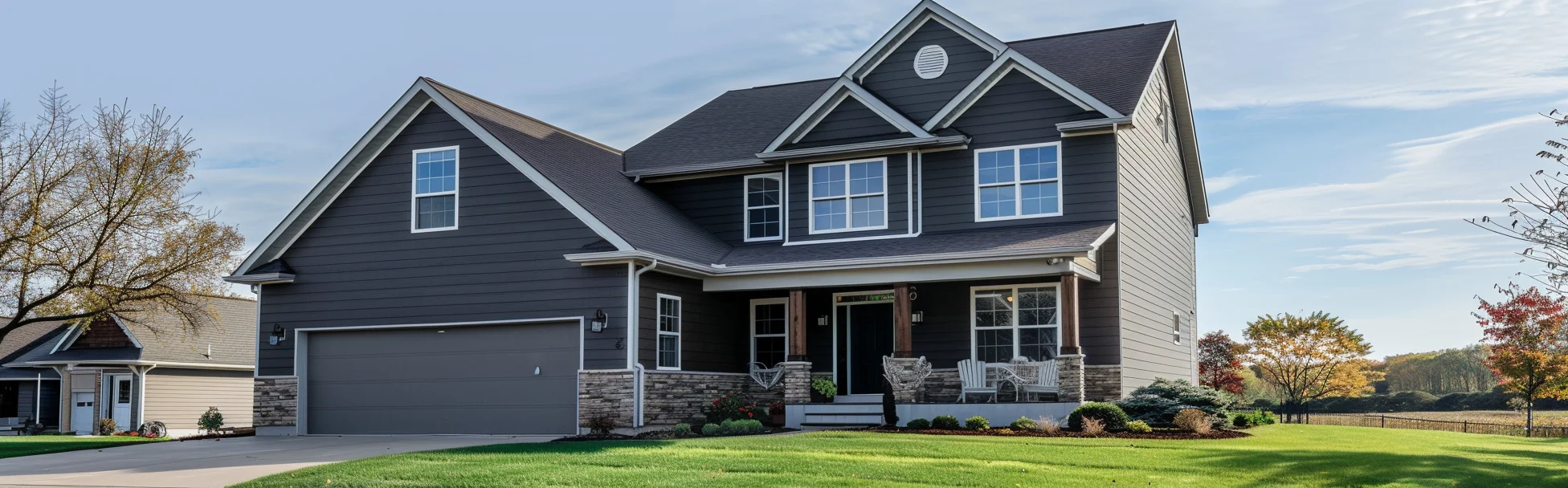
Affordable and versatile. See how vinyl siding can completely transform your home’s curb appeal.
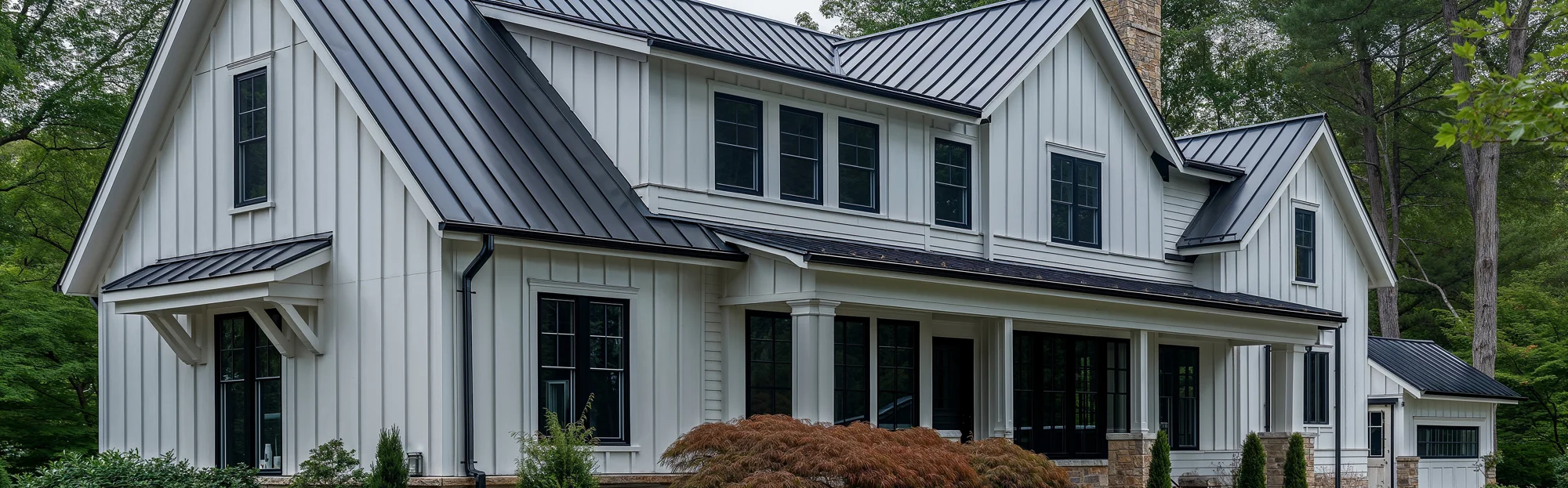
Achieve a timeless farmhouse look with board and batten siding. Learn about the history and modern application of this classic vertical style.

Austin Pro crafts exteriors that not only captivate but also promise steadfast protection and reliability, embodying the vibrant spirit of Austin in every facade. Your home's exterior is its silent storyteller and first impression; let us help it speak volumes without uttering a word.