Menu
< Main Menu
Social Media





The roof, often overlooked, is one of the most crucial elements of a home. It's not just a protective barrier against the elements; it's a statement of style, an essential component of energy efficiency, and a key factor in your home's overall value. With a myriad of roofing options available, choosing the right one can be daunting. This article aims to simplify that decision by comparing different types of roofs, considering factors like climate, durability, and aesthetics. Whether you're building a new home or replacing an old roof, understanding the pros and cons of each type is key to making an informed choice.
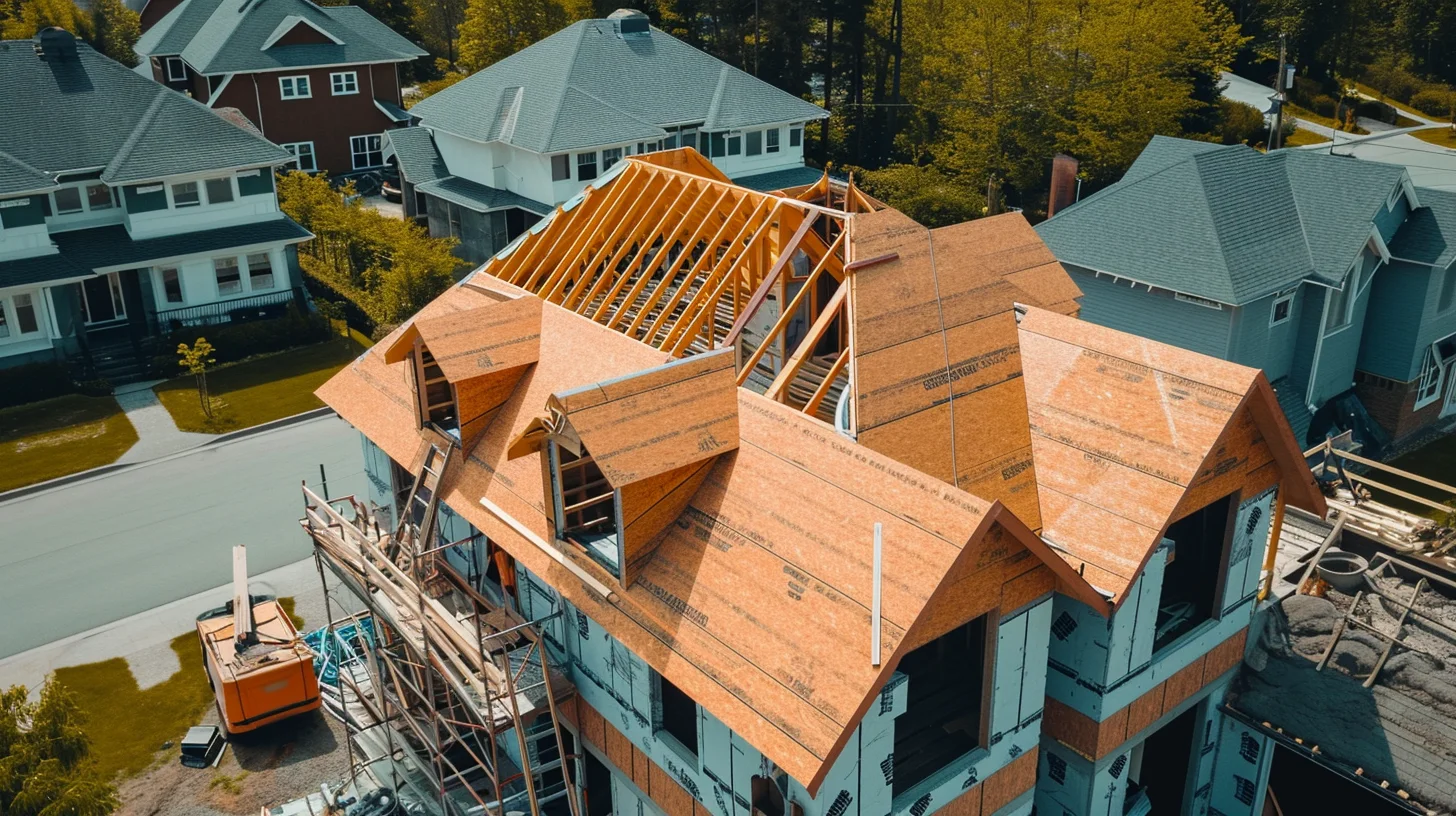
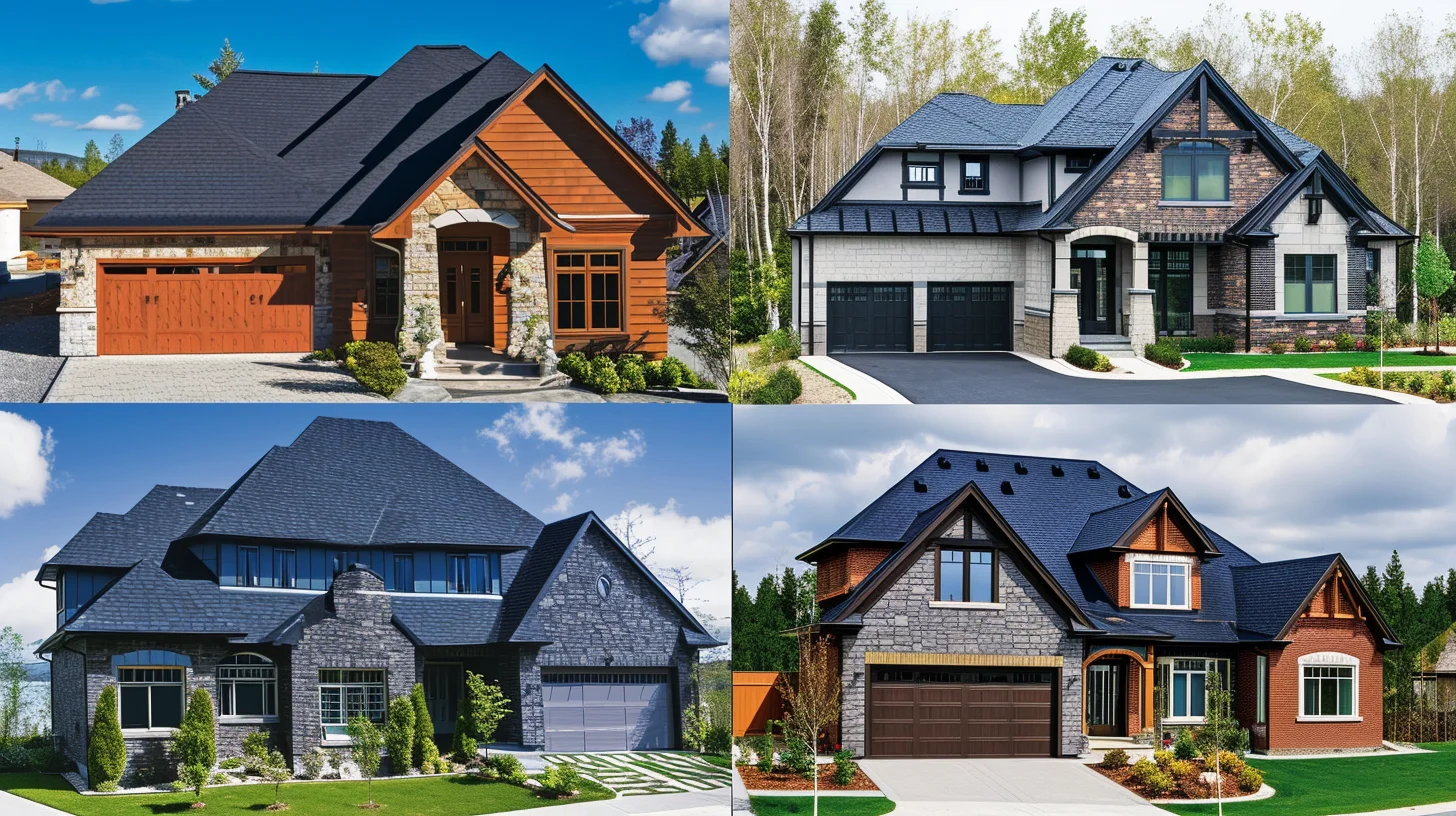
Roofing technology has evolved significantly, offering homeowners a wide range of choices. Traditional options like asphalt shingles are known for their affordability and versatility. Metal roofs, on the other hand, are gaining popularity for their durability and energy efficiency. For those in harsher climates, slate or tile roofs offer longevity and resistance to extreme conditions. Each material comes with its unique set of benefits and challenges, and the choice often depends on factors like local climate, architectural style, and budget.
When selecting a roof, practical considerations are as important as aesthetic ones. The roof's slope, or pitch, can dictate the suitable materials; for instance, flat roofs require materials that offer superior water resistance. Energy efficiency is another crucial factor; certain materials provide better insulation and reflectivity, reducing heating and cooling costs. Additionally, the weight of the material can impact the structural requirements of your home. Consulting with professionals about the best roofs for your climate and home design is essential in making a wise investment.
The roofing industry is not immune to trends and innovations. Eco-friendly roofing materials, such as green roofs and solar tiles, are on the rise, catering to the growing demand for sustainable home solutions. Technological advancements have also led to the development of smart roofing systems, which can monitor weather conditions and adapt accordingly. These innovations are reshaping how we think about roofing, offering solutions that are not only functional but also environmentally responsible and technologically advanced.
In conclusion, the roof is a fundamental aspect of any home, and choosing the right one is a decision that requires careful consideration of various factors. From traditional shingles to innovative green roofs, the options are diverse, each offering unique benefits. By understanding the different types of roofs available and considering factors like climate, style, and sustainability, homeowners can make an informed decision that enhances both the functionality and aesthetic appeal of their homes. As roofing technology continues to advance, the possibilities for durable, efficient, and stylish roofs are endless.
What is roof pitch and why does it matter? We explain how the slope of your roof affects drainage, material choice, and longevity.
Is fall the best time for siding? We discuss the benefits of renovating in cooler weather.
.jpeg)
Painting during pollen season? We weigh the risks and offer tips for a clean finish.

A guide to navigating insurance claims and repairs after an Austin hailstorm.
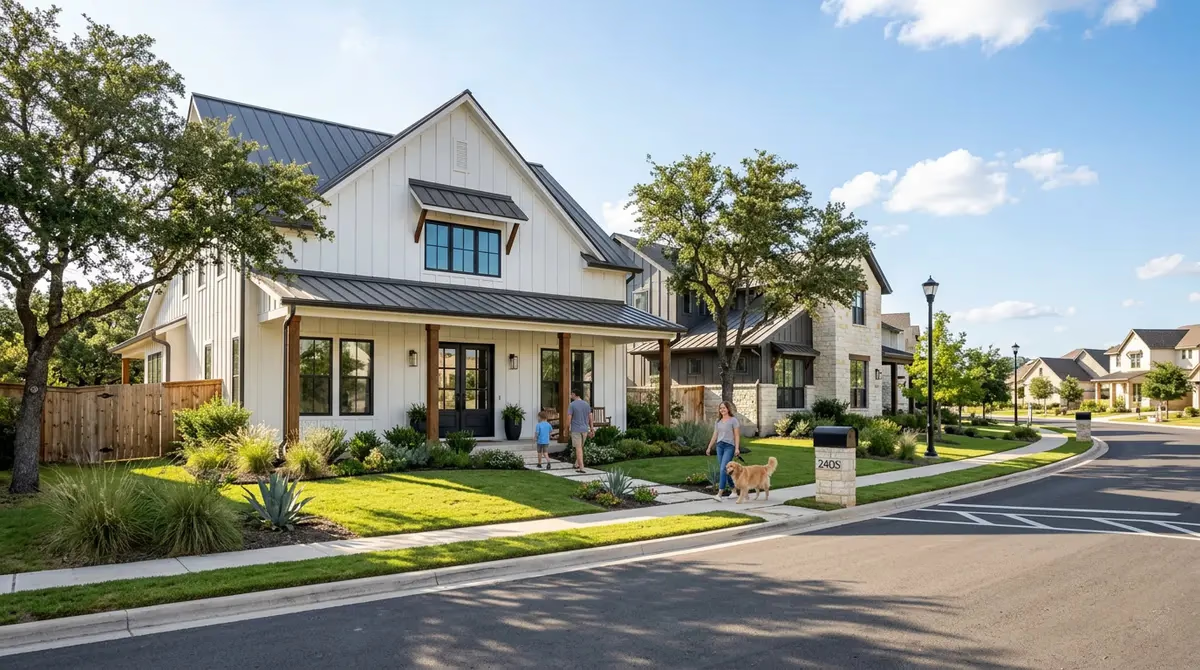
Austin's brutal heat-humidity cycle destroys wood and warps vinyl — making James Hardie fiber cement siding the smartest long-term investment for local homeowners. This honest breakdown compares 20-year ownership costs, fire and hail ratings, and the HZ10 HardieZone® system engineered specifically for Texas climates. Find out if the switch makes financial sense for your home.
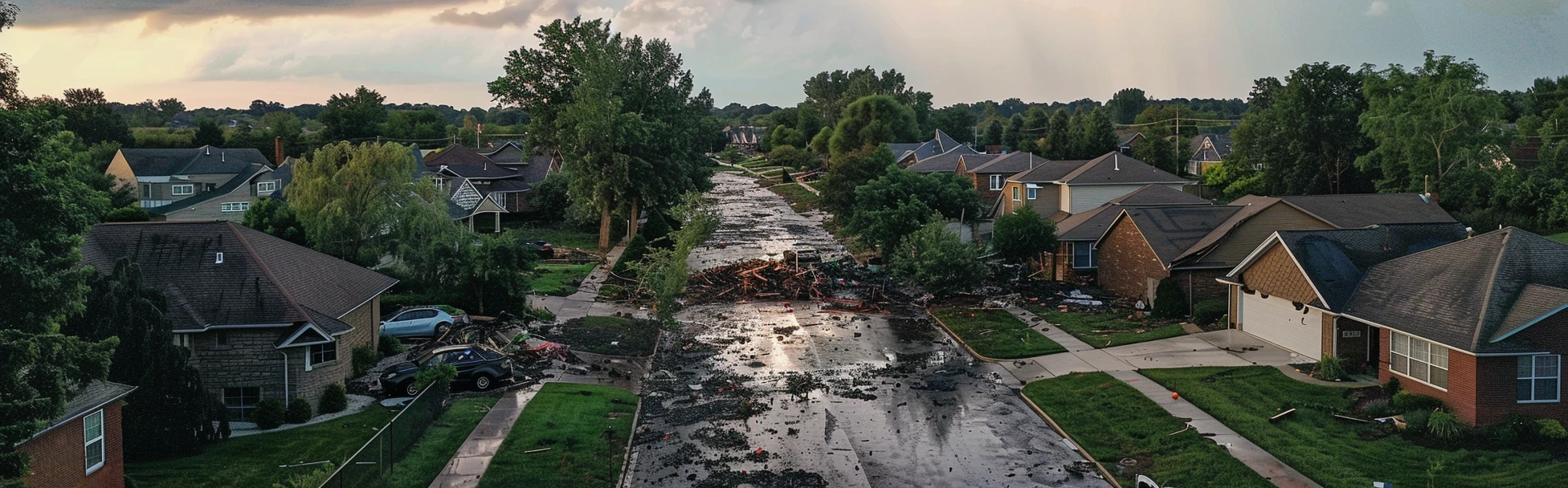
Don't assume your roof is fine. Learn why a professional inspection is critical after a storm hits.

Austin Pro crafts exteriors that not only captivate but also promise steadfast protection and reliability, embodying the vibrant spirit of Austin in every facade. Your home's exterior is its silent storyteller and first impression; let us help it speak volumes without uttering a word.