
Menu
< Main Menu
Social Media





Roof pitch, an essential aspect of architectural design, plays a crucial role in defining the character and functionality of a building. It's not just a design element; it's a calculated decision that affects everything from aesthetics to weather resistance. Understanding roof pitch is vital for homeowners, architects, and builders alike. This comprehensive guide will delve into the intricacies of roof pitch, explaining its importance, how it's measured, and its impact on roof design. Whether you're planning a new build or a renovation, a grasp of roof pitch and how to utilize a roof pitch chart is invaluable in making informed decisions.
Roof pitch, or slope, is the angle at which a roof rises from its lowest point to its highest. It's typically expressed as a ratio of vertical rise to horizontal run, such as 4:12, meaning the roof rises 4 inches for every 12 inches of run. The pitch of a roof determines several key aspects of a building, including drainage, aesthetic appeal, and potential attic space. Different styles of roofs, from gable to hip, have varying standard pitch ranges, each suited to different architectural styles and functional needs.
The choice of roof pitch has practical implications in design and construction. A steeper pitch can enhance drainage and is ideal in regions with heavy rainfall or snowfall. It also allows for more attic space, which can be used for storage or additional living areas. On the other hand, a lower pitch is often seen in modern and minimalist designs, offering a sleek look but requiring special materials and considerations for effective water drainage. The pitch also affects the choice of roofing materials; certain shingles and tiles are better suited for specific pitches.
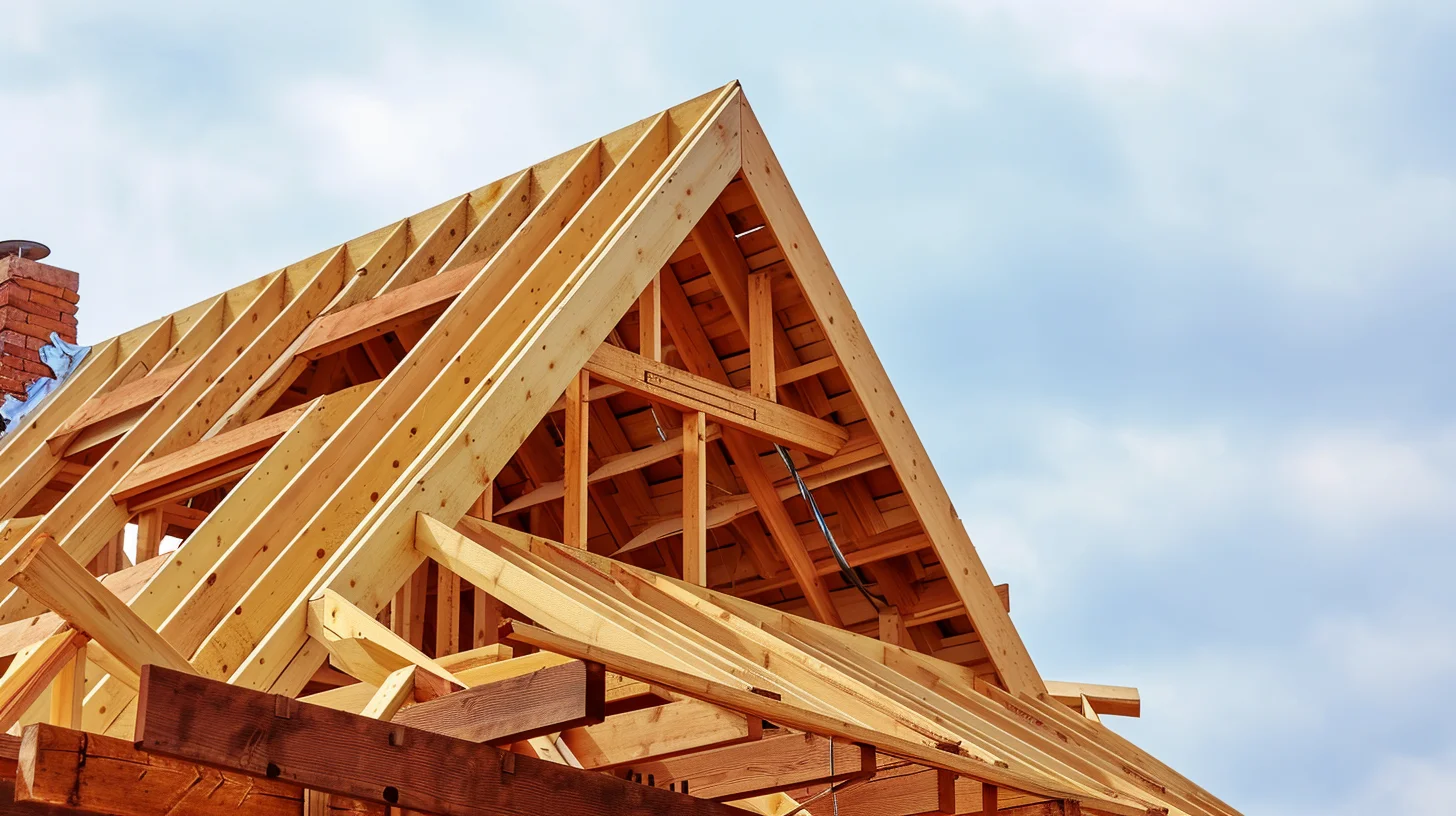
In modern architecture, there's a trend towards innovative roof designs that challenge traditional pitch concepts. Green roofs, solar panel integration, and skylights are being incorporated into roof designs, requiring careful consideration of pitch for optimal functionality. Technological advancements in roofing materials also allow for more flexibility in roof pitch without compromising on durability or weather resistance. These innovations reflect a growing emphasis on energy efficiency, sustainability, and maximizing living space.
In conclusion, the importance of roof pitch in residential and commercial buildings cannot be overstated. It's a critical factor that influences not only the aesthetic appeal of a structure but also its practicality and durability. By understanding the basics of roof pitch and staying informed about current trends and innovations, homeowners and builders can make choices that enhance the functionality and beauty of their buildings. As architectural styles and technologies evolve, so too will the approaches to roof pitch, continuing to shape the skylines of our communities.
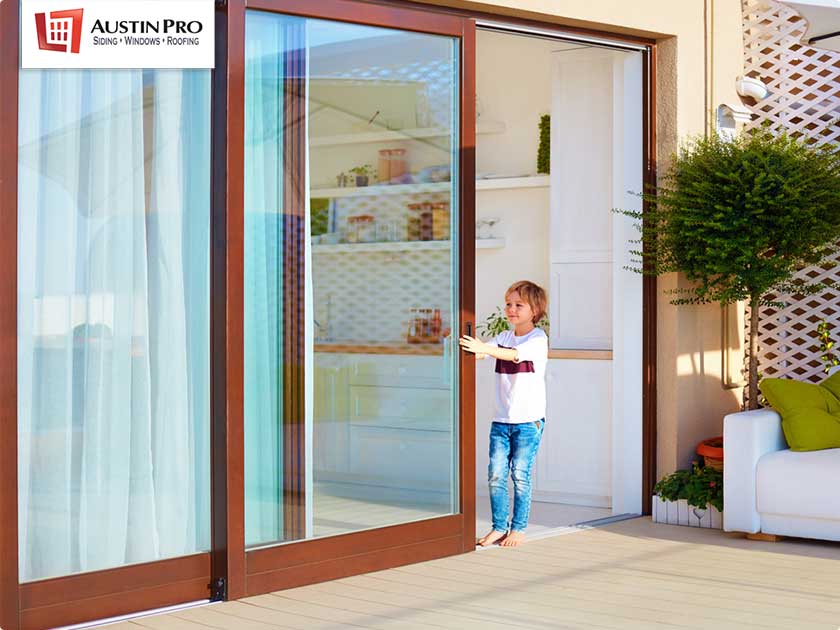
Maximize your space and natural light. Explore the top four advantages of choosing sliding patio doors for your home renovation.

Austin's brutal climate — 140°F deck surfaces, sudden floods, and hard freezes — can turn a pressure-treated wood deck into a rotting liability in as little as five years. From hidden joist decay to thousands in recurring maintenance costs, the true price of a wood deck in Central Texas is far higher than most homeowners realize. Discover why Austin contractors and homeowners are making the permanent switch to composite decking.
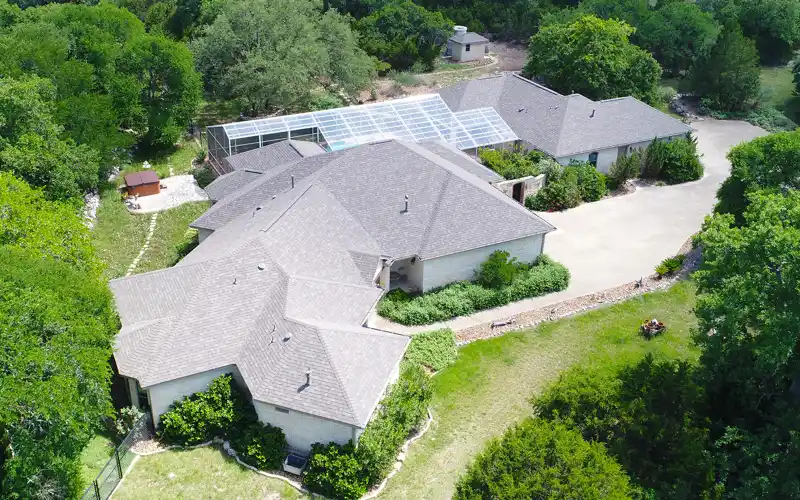
It protects everything else. We explain why the roof is the single most critical component of your home.
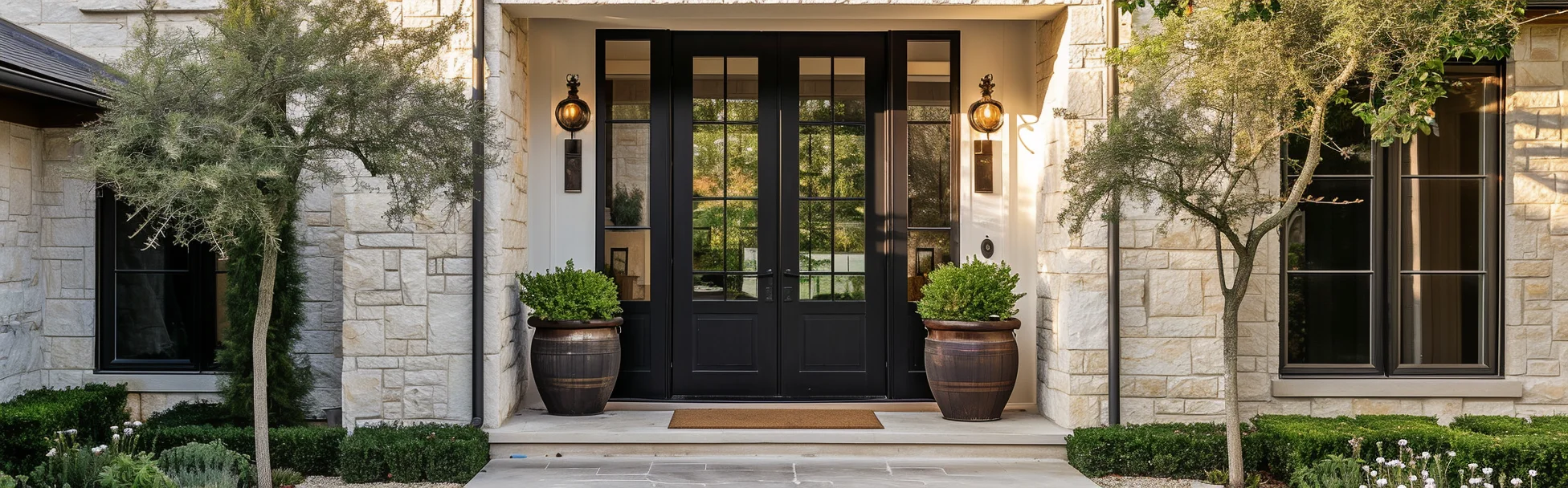
Front doors are making a statement in Austin. Explore the latest trends in entry door designs that are transforming curb appeal across the city.
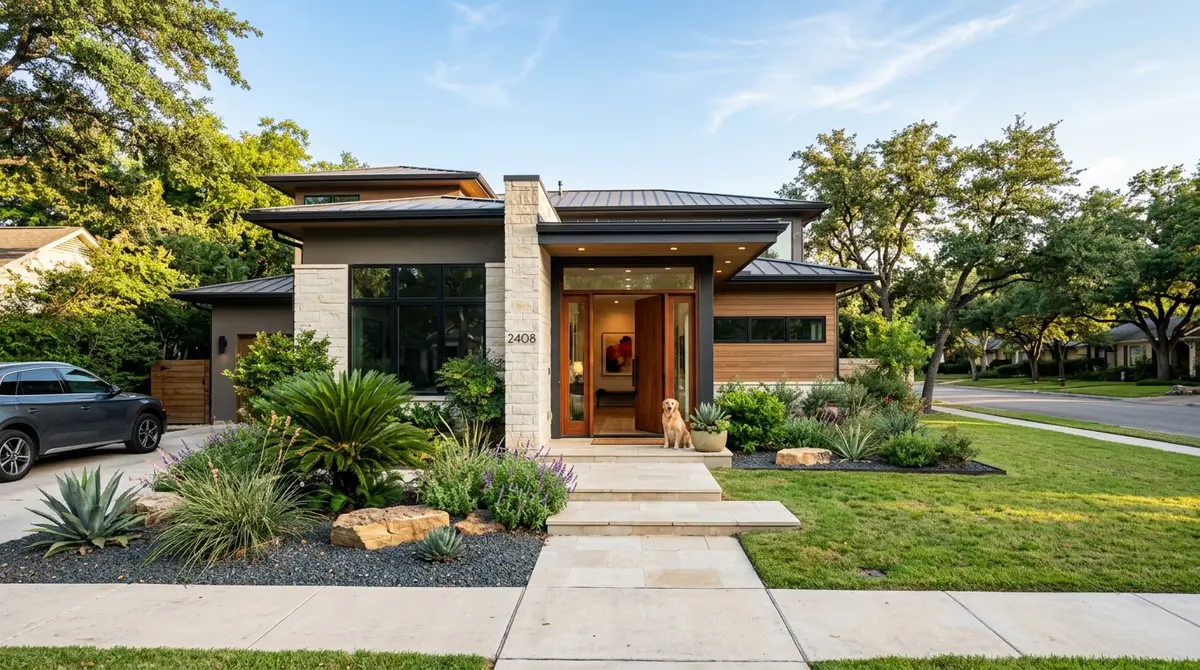
Your HVAC system may be running perfectly — but if your Austin home has an aging entry door, it could be silently draining your conditioned air and spiking your energy bills. Learn how to spot the problem with a 30-second flashlight test and discover which door materials actually hold up to Texas heat.
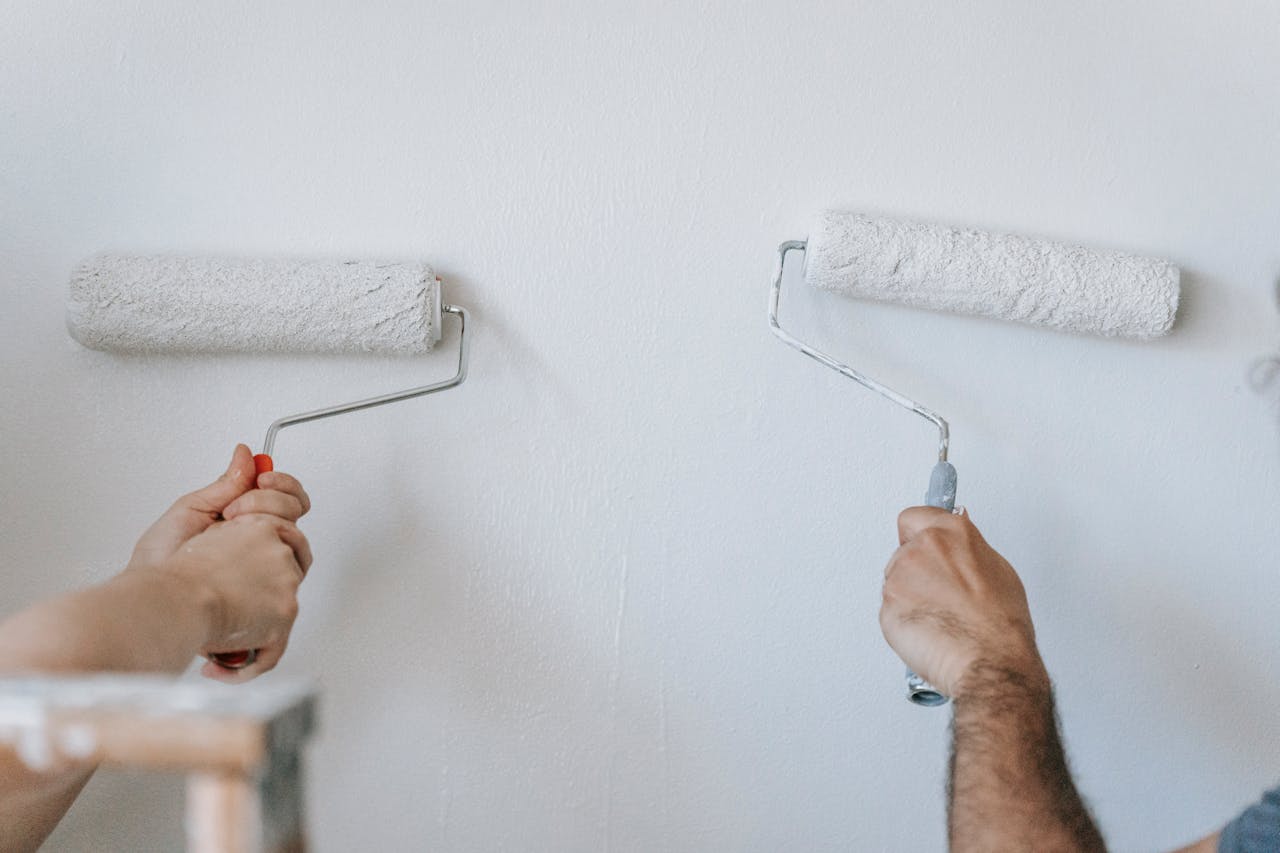
Selling your home? Use these painting tips to maximize value and attract buyers fast.

Austin Pro crafts exteriors that not only captivate but also promise steadfast protection and reliability, embodying the vibrant spirit of Austin in every facade. Your home's exterior is its silent storyteller and first impression; let us help it speak volumes without uttering a word.