Menu
< Main Menu
Social Media





Here's a scenario that plays out in Austin neighborhoods every few years: a homeowner notices the paint on their cedar lap siding starting to bubble near the foundation. By the time they get a contractor out, there's soft rot underneath — and a repair bill that runs well into five figures. It's not bad luck. It's physics.
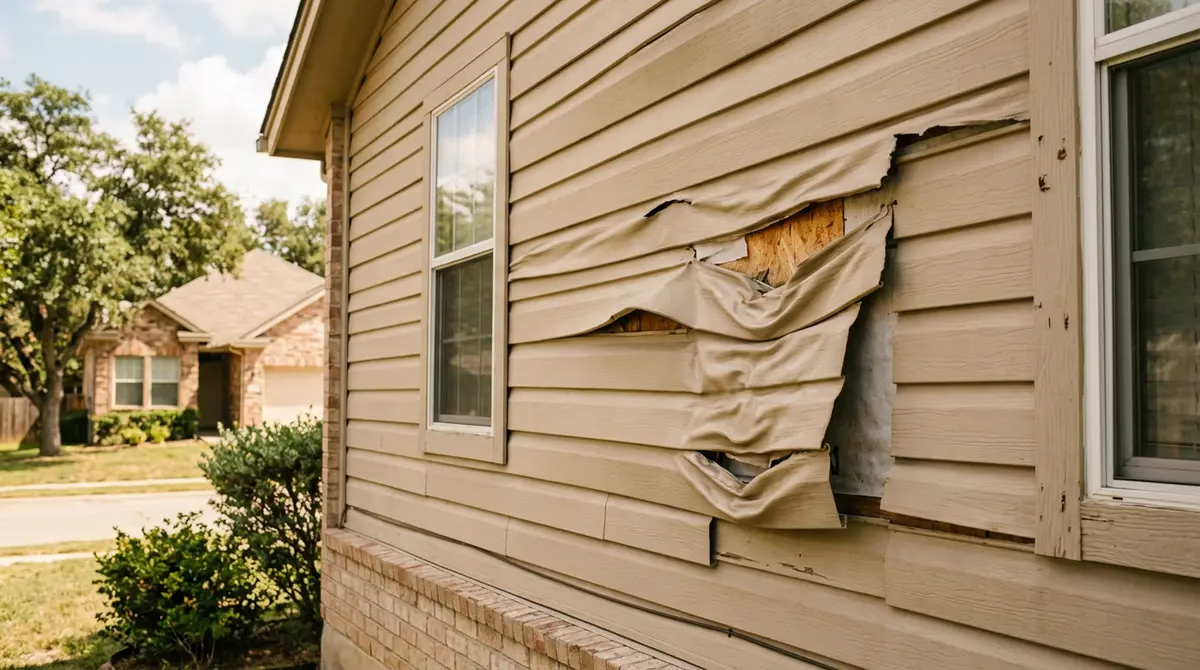
Austin sits in a climate paradox. We bake at 100°F or higher for stretches of the summer, then get slammed with humidity that rivals Houston after a Gulf moisture surge rolls in. That cycle — intense heat followed by damp air — is exactly what accelerates wood rot and makes vinyl siding flex, warp, and eventually crack. Vinyl's thermal expansion rate is significant: a 12-foot panel can expand and contract by nearly half an inch over the course of a Texas summer day. Over time, those seams open up, and water finds its way in.
Wood isn't any safer. Without a fresh coat of paint every 4–6 years, raw wood siding in Central Texas becomes a moisture sponge. The UV index in Austin regularly hits 10 or 11 during summer — high enough to chalk and fade paint finishes in a single season. That's before you factor in the cedar elm pollen, mold spores, and the occasional hailstone the size of a quarter.
This is the core problem that makes understanding why James Hardie siding is the best option for Austin homes more than just a marketing question — it's a structural and financial one.
Most homeowners compare materials by looking at the upfront installation quote. That's the wrong lens. The number that actually matters is the 20-year cost of ownership, and the math here is more lopsided than you might expect.
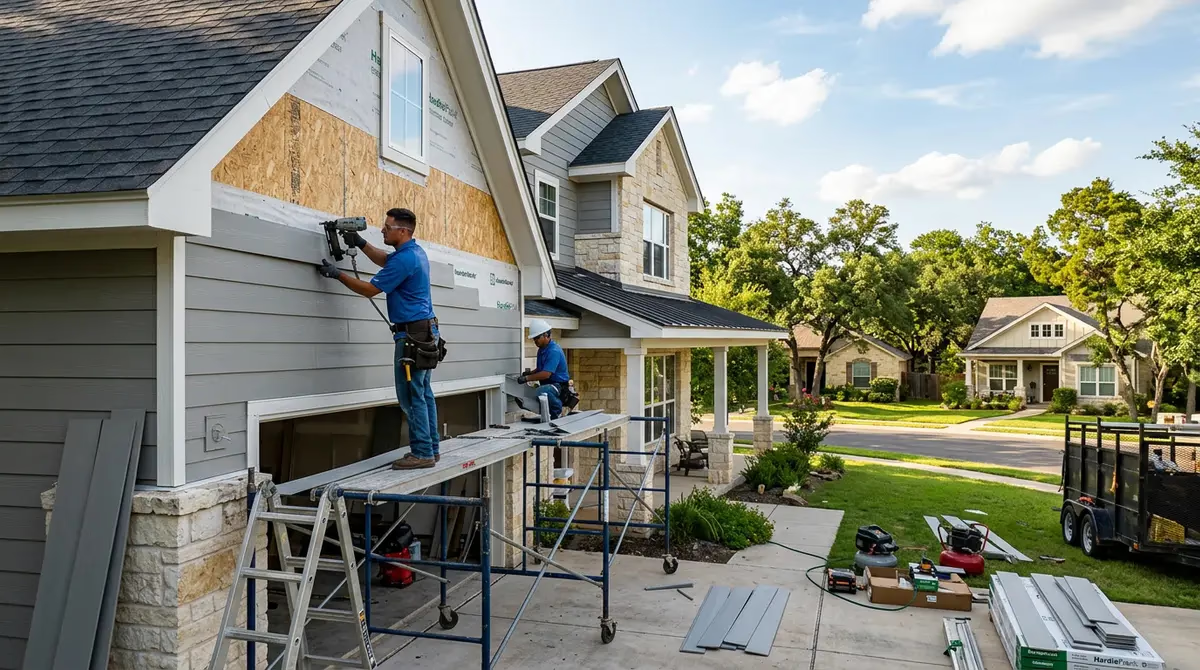
Let's use a 2,000-square-foot Austin home as our baseline. A quality cedar siding installation might run $18,000–$24,000. Sounds competitive. But factor in a full exterior repaint every 5–6 years (roughly $4,500–$7,000 per cycle in the Austin market), and you're adding $15,000–$21,000 in paint costs alone over two decades. That's before any rot repairs, caulking, or section replacements — and in Austin's climate, those aren't hypotheticals.
Fiber cement installation runs higher upfront — typically $22,000–$30,000 for that same 2,000-square-foot home, depending on profile and finish. But James Hardie's ColorPlus® Technology factory finish is baked on at the plant, carrying a 15-year finish warranty. Many Austin homeowners go a full 15–20 years with only minor touch-ups. Maintenance costs over 20 years? Often under $2,000. When you run the full numbers, fiber cement frequently wins by $10,000 or more — without accounting for the repair bills wood almost inevitably generates.
For a deeper look at whether it's time to stop patching your current exterior and start fresh, our post on when house siding replacement makes sense walks through the key warning signs.
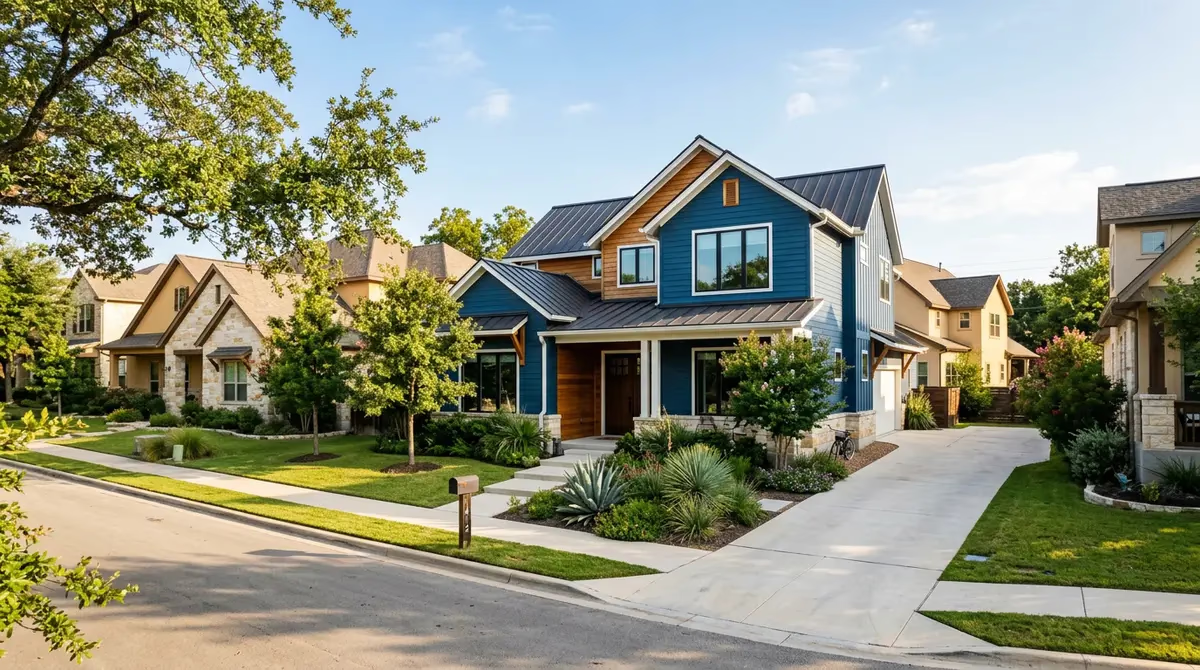
One detail that separates James Hardie from generic fiber cement competitors is a program most homeowners have never heard of: the HardieZone® System. James Hardie divides the country into climate zones and engineers their products accordingly. Austin falls squarely in HZ10 — the zone designed for hot, humid Southern climates.
HZ10-rated products use a specific formulation of Portland cement, sand, and cellulose fiber that's optimized to resist the moisture absorption and UV degradation patterns common in Texas. The boards are thicker, the backer board more vapor-resistant, and the ColorPlus® palette for HZ10 skews toward pigments that hold up under sustained UV exposure. This isn't a marketing distinction — it's an engineering one.
Compare that to a standard vinyl panel or even a lower-grade fiber cement brand that ships the same product to Austin and Minnesota. One material does not fit all climates, and in Texas, that gap shows up fast.
This is the section most siding articles skip, and it's arguably the most important one for Austin homeowners right now.
James Hardie fiber cement carries a Class A fire rating — the highest available — as a non-combustible cementitious material. In an era when Texas wildfires are creeping closer to suburban neighborhoods in the Hill Country and north Austin, that's not a trivial detail. Some insurance carriers in Texas have begun offering premium discounts for fire-resistant exterior cladding. It's worth a direct conversation with your agent.
Austin gets hammered by hailstorms. The Insurance Institute for Business & Home Safety has documented how fiber cement siding absorbs hail impact far better than vinyl, which can crack and dent at relatively modest hail sizes. A product that survives a 1.75-inch hailstorm without a claim is a product that preserves your insurance history — and in a Texas market where premiums are climbing sharply, that matters.
If you're already thinking about how storm resilience ties into your broader exterior, our piece on why Austin insurance agents are loving Class 4 shingle roofing covers the same philosophy applied to your roof — a useful companion read.
The U.S. Department of Energy notes that the thermal mass of cement-based exterior cladding also contributes to a more stable interior temperature, which can reduce HVAC cycling costs in extreme climates like ours.
Any contractor who tells you Hardie is perfect for every situation isn't giving you the full picture. Here's what you should know going in.
Fiber cement is heavier than vinyl — significantly so. That means installation takes more labor hours, and on older homes with soft or deteriorated sheathing, you may need to address the wall structure before installation. It's also not a DIY-friendly material; cutting it requires diamond-tipped blades and generates silica dust that demands proper respiratory protection.
If your home has significant architectural detailing — lots of intricate trim work, curves, or unusual profiles — fiber cement requires experienced trim carpenters who know how to work with the material's rigidity. Cutting corners on installation quality is where many fiber cement horror stories originate. The product itself is excellent; sloppy installation can undermine it.
And finally: if your home is a rental property with a 5-year horizon, or a lower-value property where the math doesn't pencil out, vinyl might genuinely be the right call. Fiber cement earns its premium on homes where you're staying put, building equity, or preparing for a strong resale.
Here's the honest framework. Fiber cement — specifically James Hardie — makes clear financial sense if:
It's a harder sell if you're on a 3–5 year timeline, working with a tight budget, or the home's overall value doesn't justify the investment delta over vinyl.
The good news: a qualified local contractor can run those numbers for your specific property in about 20 minutes. If you're curious where your home falls, the team at Austin Pro Siding can walk through a real cost-of-ownership comparison — not a sales pitch, just the math. You can also schedule a free consultation directly online.
The hype around James Hardie siding is real — but it's not universal. Know your situation, run the numbers, and make the call that's right for your home and your timeline.
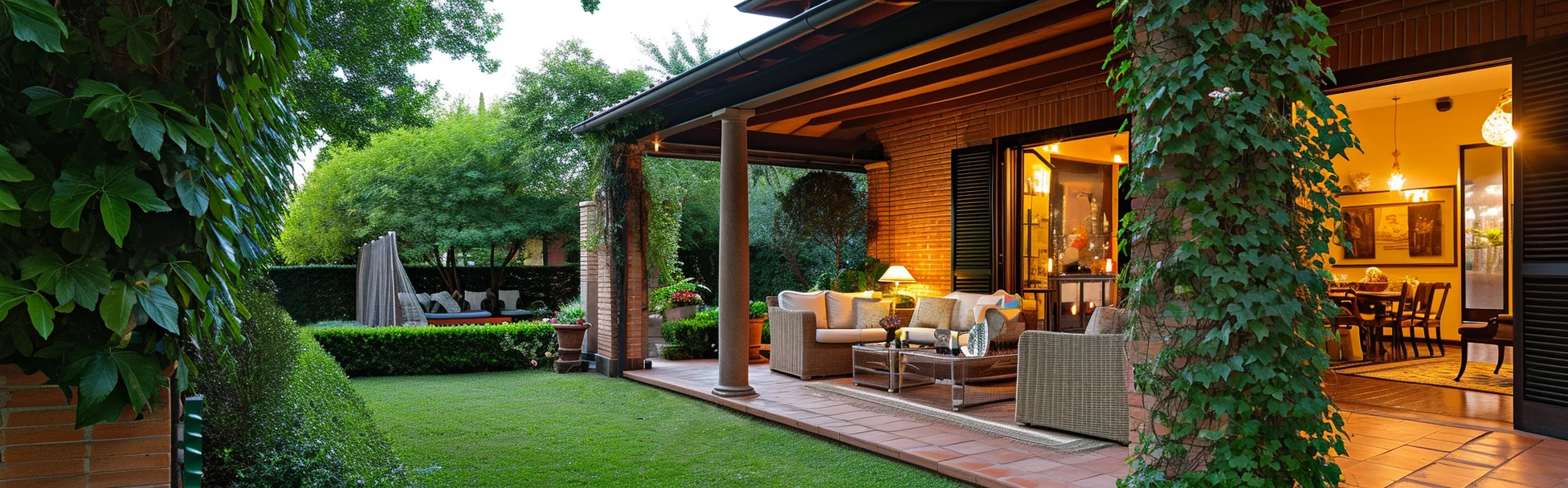
Planning a patio? We break down the costs and ROI of adding a covered outdoor living space.
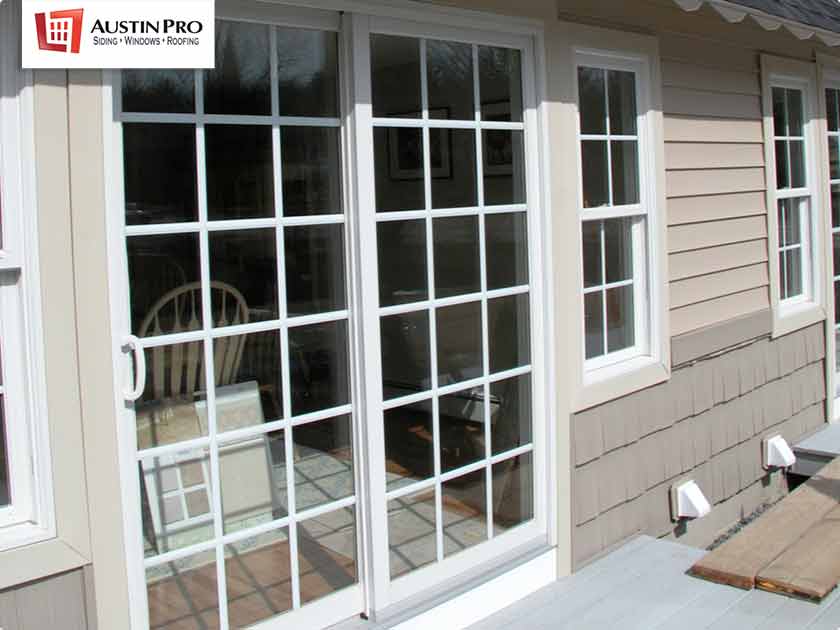
Don't compromise on security or efficiency. Avoid these pitfalls when shopping for patio doors.
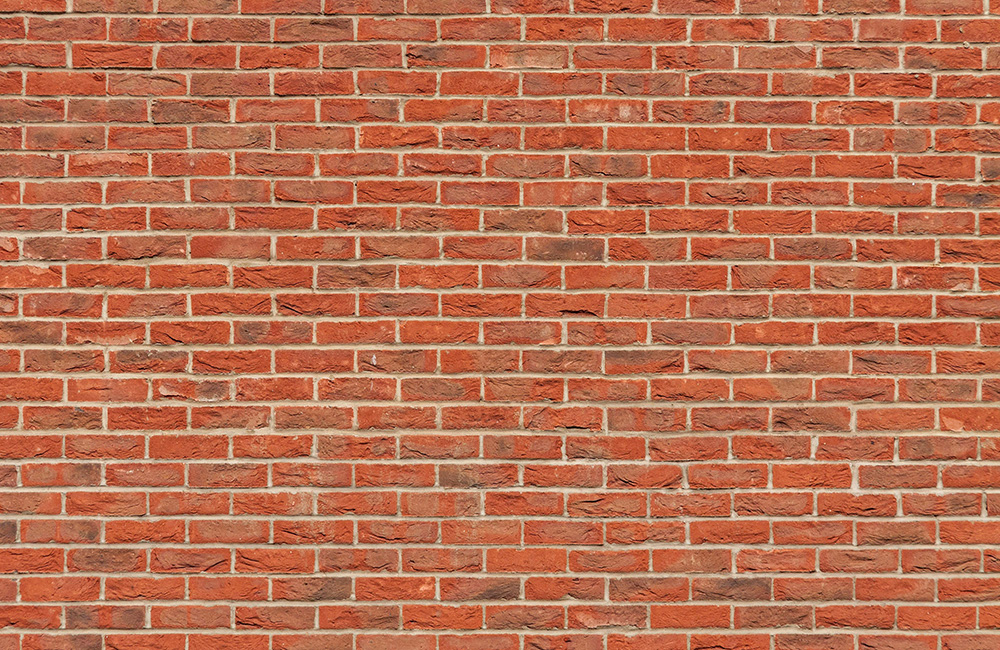
Thinking of painting your brick? Weigh the pros and cons of this popular trend to decide if it's the right choice for your home's exterior.
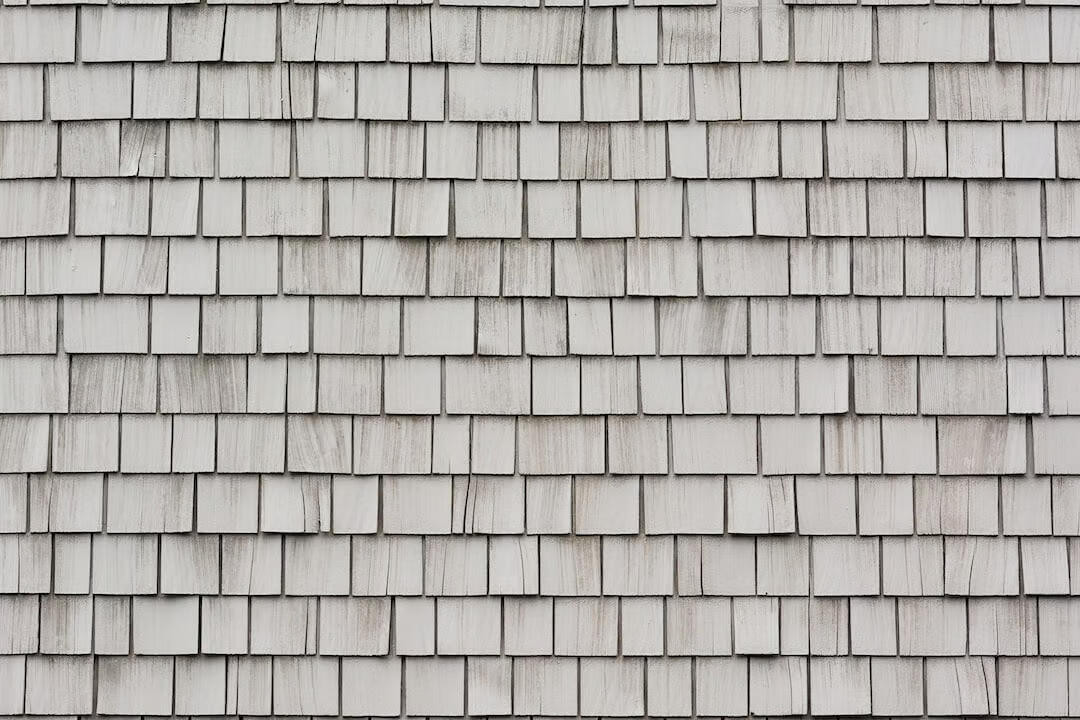
Enhance curb appeal with the rustic, textured look of shingle-style siding.
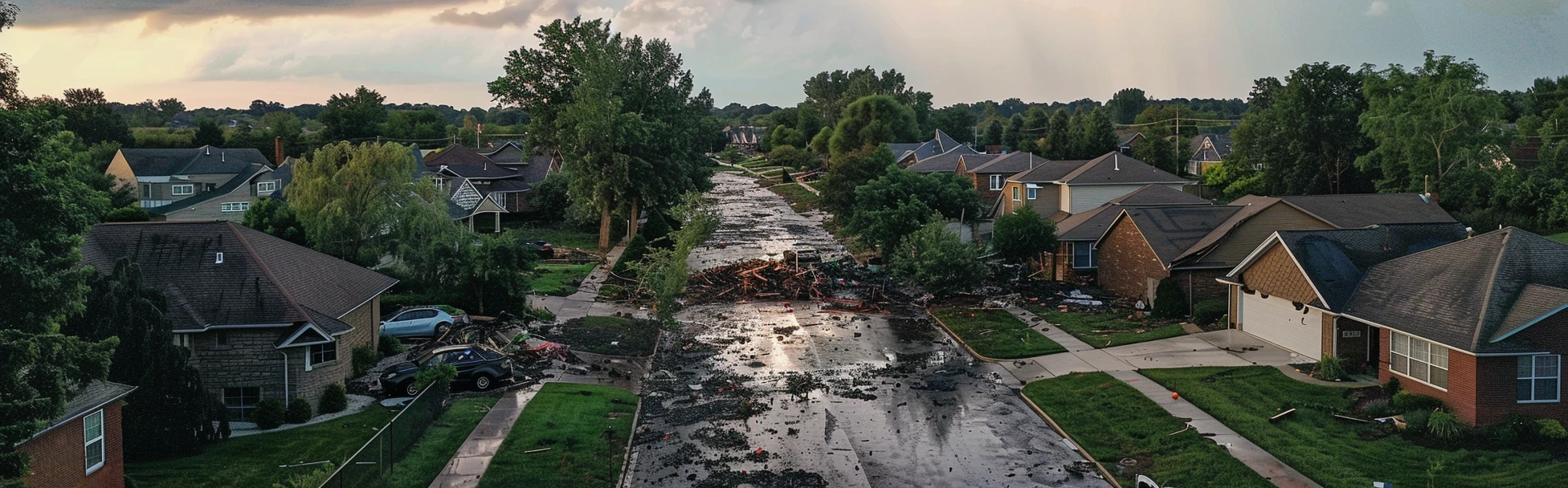
Don't assume your roof is fine. Learn why a professional inspection is critical after a storm hits.

That "30-year" shingle roof on your Austin home may only last 15 years — and the Texas heat is the reason no one told you about. From brutal UV exposure and thermal shock to poor attic ventilation, Central Texas conditions are nothing like the climate those manufacturer warranties were written for. Learn what actually drives premature shingle failure and what smart Austin homeowners are doing about it.

Austin Pro crafts exteriors that not only captivate but also promise steadfast protection and reliability, embodying the vibrant spirit of Austin in every facade. Your home's exterior is its silent storyteller and first impression; let us help it speak volumes without uttering a word.