Menu
< Main Menu
Social Media





What if the next roof you buy could lower your home insurance bill—not just “maybe someday,” but on your next renewal? Many roofing companies in Austin will quote shingles, colors, and warranties… yet skip one upgrade that can change the long-term math: Class 4 impact-resistant shingles.

In this guide, you’ll learn why insurance rates are climbing in Travis and Williamson counties, what “Class 4” actually means, how UL 2218 ratings can unlock potential premium discounts, and how to estimate a realistic 10-year ROI in Texas hail country.
If you’ve opened your renewal letter lately, you already know the feeling. Premiums across Central Texas have been pushed up by a mix of higher rebuild costs (labor and materials), more frequent severe weather, and larger claim volumes.
Travis County homeowners often see storms that bring wind-driven rain and hail. Williamson County homeowners (Round Rock, Cedar Park, Leander, Hutto) can get hit with the same cells—and sometimes stronger hail cores as storms track along the I-35 corridor.
The result: insurers are tightening underwriting and looking closely at roof risk. Your roof isn’t just a protective layer—it’s one of the biggest drivers of storm claims.

If you’re not sure whether your roof is already showing wear, this checklist can help you spot red flags before the next storm season: Top 10 Roof Replacement Signs Every Austin Homeowner Should Know.
Class 4 impact-resistant shingles are asphalt shingles engineered to better withstand hail strikes and impact events compared to standard architectural shingles. The key is not just thickness—it’s the material design, including reinforced mats and modified asphalt blends that resist cracking and granule loss.
“Class 4” typically refers to performance under the UL 2218 impact test. In simplified terms, a steel ball is dropped from set heights to simulate hail impact. Class 4 is the highest rating in that standard.
Does that mean a Class 4 roof is “hail-proof”? No roof is invincible. But Class 4 shingles are designed to reduce functional damage—damage that leads to leaks, exposed mat, or premature failure. That reduced damage is exactly what insurers care about.
If you’re comparing options for a replacement, start with the basics here: shingle roofing services (materials, process, and what to expect).
Here’s the part many homeowners never hear during a roof bid: some Texas insurers offer meaningful discounts for impact-resistant roofing. In many cases, the discount is tied to documentation that your roof meets an impact-resistance standard like UL 2218 Class 4.
Discount amounts vary by carrier, policy type, and your specific risk factors, but it’s not unusual to see roof-related premium reductions in the 20–30% range on certain portions of the policy—especially where hail risk is a major driver.
Important: discounts are not guaranteed. Always ask your agent before you sign a roofing contract: “What discount do you offer for UL 2218 Class 4 impact-resistant shingles, and what paperwork do you require?”
Want to read the technical standard itself? UL outlines the method here: UL 2218 impact resistance standard (UL Standards). For broader consumer guidance on hail-resistant roofing, the Insurance Institute for Business & Home Safety (IBHS) is also a strong resource: IBHS research and guidance.
Most homeowners shop roofs the same way they shop appliances: compare a few bids, pick the best-looking number, and move on. That buying behavior creates a strong incentive for volume-based contractors to keep the initial price as low as possible.
So what gets left out? The upgrades that don’t photograph well on a proposal—but change the total cost of ownership.
A cheaper roof can look like a win today, while quietly locking you into higher premiums and a higher chance of hail-related repairs tomorrow.
At Austin Pro Siding, the goal is to help homeowners make decisions that hold up in real Austin weather—not just decisions that win the spreadsheet on bid day. If you’re evaluating contractors, reviews can reveal who communicates well and stands behind the work: read customer reviews.
Let’s turn the idea into numbers. Below is a realistic example for a homeowner in Round Rock or Cedar Park. Adjust the inputs to match your home and your policy.
And if a storm does hit, knowing when damage becomes urgent matters. This guide helps you decide when to call in a professional: Emergency Roof Repairs After a Storm: When To Call a Pro.
If you want the insurance savings, treat it like a project with documentation—not a casual upgrade.
If you’re in Austin, Cedar Park, Round Rock, Pflugerville, Leander, or Hutto, you can confirm service availability here: areas we serve.
Next step: If you’re considering a roof replacement or want to know whether Class 4 shingles make sense for your policy, schedule an inspection and options review. You can schedule an appointment or reach out through the contact page. The goal is simple: a roof that performs in Austin storms—and a premium that reflects that reduced risk.
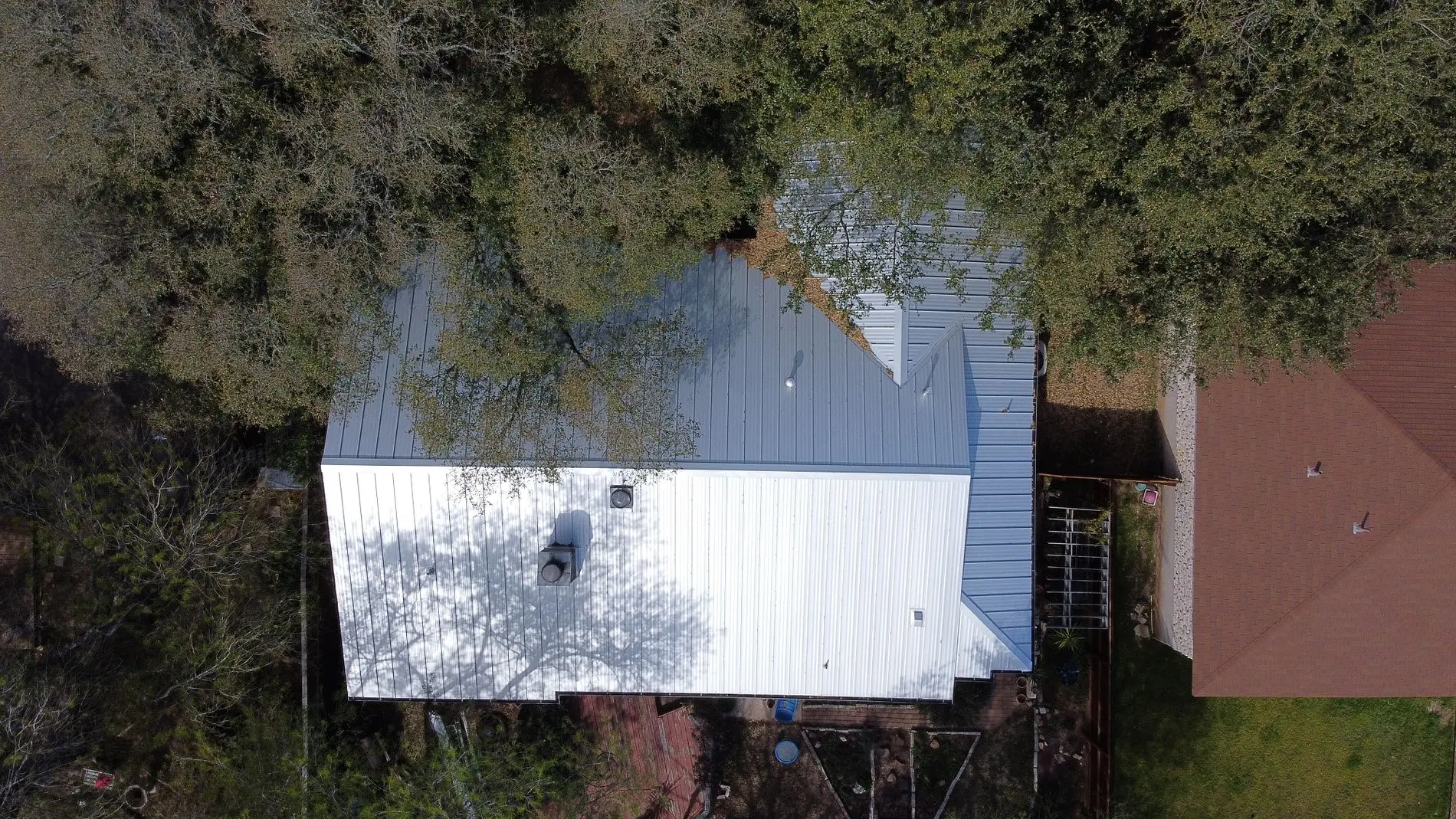
Metal roofing requires specialized skills. Follow these expert tips to find a contractor with the experience to install your metal roof correctly.
Not all windows are equal. Find out which glass ratings work best for the Texas heat.
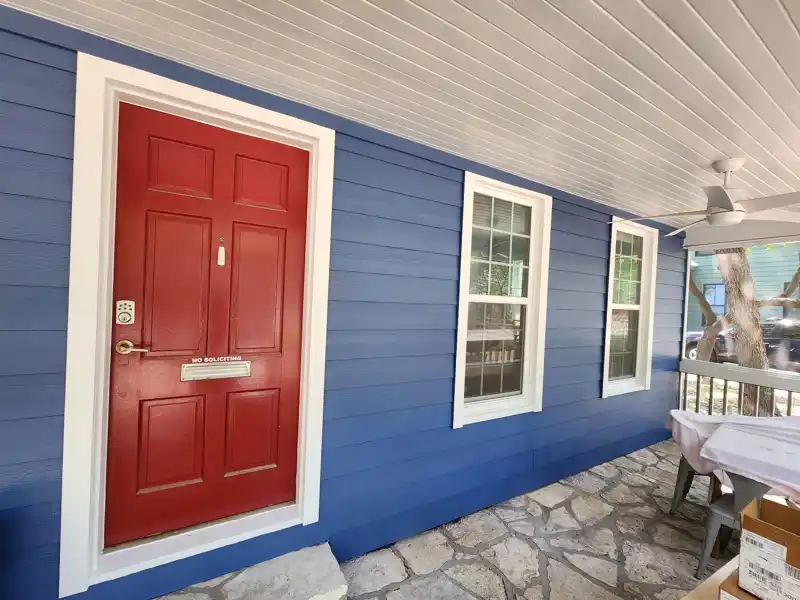
Don't let a bad install ruin your entrance. Avoid these common pitfalls when selecting and installing a new front door for your home.
Sleek lines, hidden fasteners. We detail the superior weather protection of standing seam metal roofs.
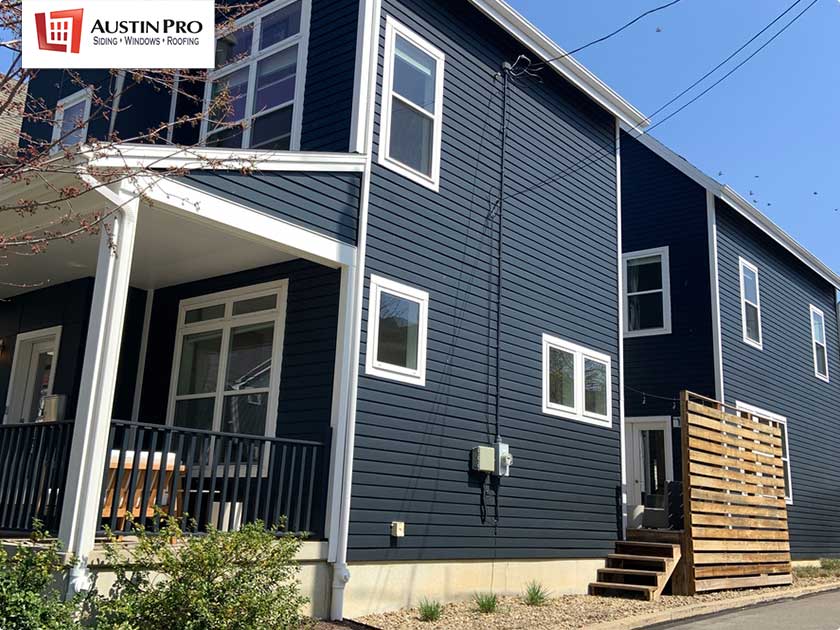
The right trim pops. Get expert tips on selecting trim colors that complement your siding perfectly.
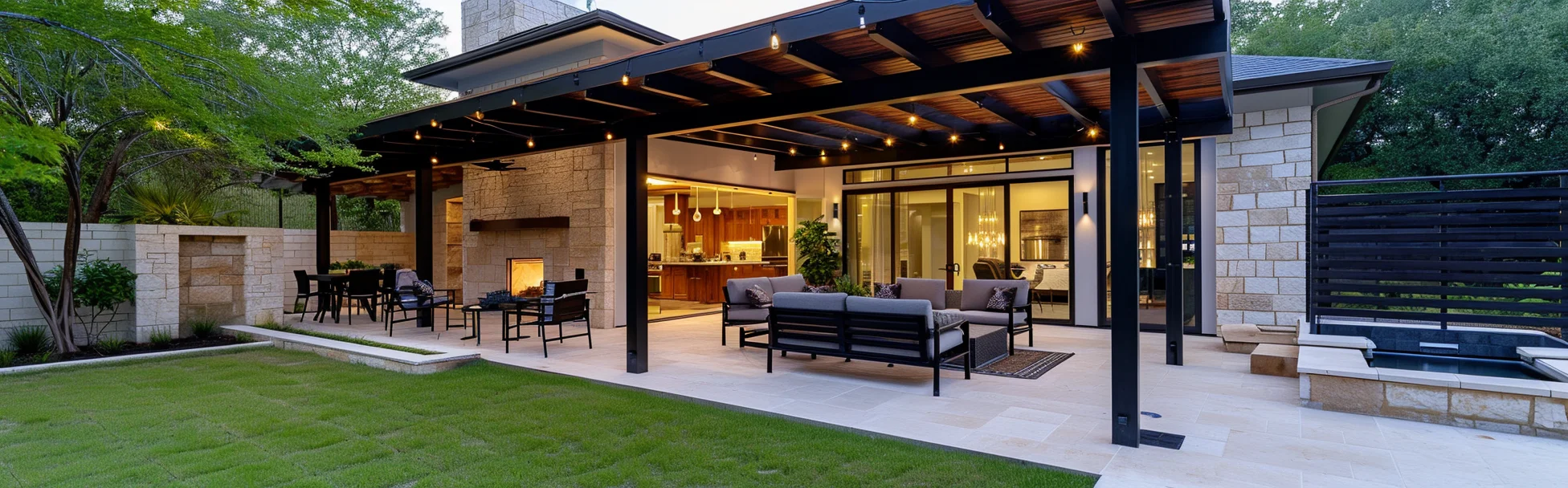
Think outside the box. We unveil creative patio cover designs that blend shade with style.

Austin Pro crafts exteriors that not only captivate but also promise steadfast protection and reliability, embodying the vibrant spirit of Austin in every facade. Your home's exterior is its silent storyteller and first impression; let us help it speak volumes without uttering a word.