
Menu
< Main Menu
Social Media





Here's a scenario that plays out across Austin neighborhoods every summer: a homeowner pulls out a folder from closing day and finds the paperwork on their "30-year architectural shingle roof." The roof is 14 years old. It looks 25. The inspector just told them they've got maybe two good years left before a full replacement becomes unavoidable.
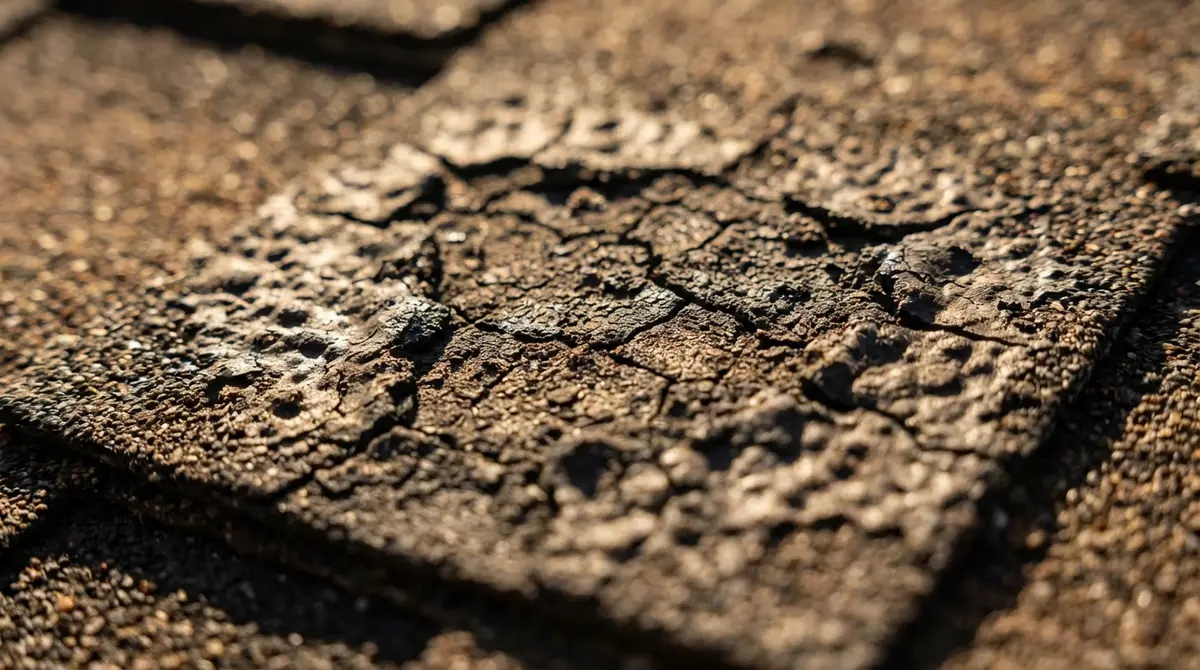
This isn't bad luck. It's a predictable outcome — and the roofing industry's dirty little secret is that those lifespan labels are written for a mythical average climate that bears almost no resemblance to Central Texas. Manufacturer warranties and lifespan estimates for standard asphalt shingles are typically based on conditions in the mid-Atlantic or upper Midwest — places where summer temperatures stay reasonable and roofs get a genuine break from UV radiation for six months of the year. Austin gets no such break. When you're shopping for shingle roofing services in this city, understanding what actually drives premature aging isn't optional — it's the difference between a 15-year replacement cycle and a 25-year one.
Austin averages more than 90 days per year above 100°F. That number alone should give any homeowner pause. But air temperature is only half the story. A dark asphalt shingle roof on a south- or west-facing slope can reach surface temperatures of 160°F or higher on a clear summer afternoon. That's not a metaphor — it's a documented thermal reality.
At those temperatures, three things start happening to your shingles in ways you can't see from the ground:

Builder-grade shingles — the ones installed on the vast majority of new construction in Austin's suburban boom — are typically the most vulnerable. They're value-engineered to hit a price point, not to survive a Texas decade. According to GAF's roofing research, performance shingles with enhanced weathering resistance show measurably better granule retention in high-UV environments — a direct response to exactly the conditions Austin homeowners face.

Austin's summer weather follows a pattern that's almost cruel in its regularity: broiling sunshine through the afternoon, followed by a fast-moving thunderstorm that drops temperatures 15 to 20 degrees in under half an hour. For your roof, that sequence is the equivalent of running a cast-iron pan under cold water right off a hot burner.
Materials expand in heat and contract in cold. Asphalt shingles are no exception. When a roof that's been baking at 155°F gets hit with a cool rain shower, the rapid contraction creates microscopic stress fractures across the shingle surface. One storm won't destroy a roof. But the cumulative effect of dozens of these thermal shock cycles every summer — year after year — causes shingles to crack, curl at the edges, and lose their structural integrity long before the warranty period ends.
This is a climate-specific failure mode that national warranty language simply doesn't account for. And it's one reason why roofing contractors who work exclusively in Central Texas approach material selection differently than a national chain that installs the same product from Maine to Miami.
Most Austin homeowners think of attic ventilation as an HVAC efficiency issue. It is — but it's also a roofing longevity issue, and it may be the single most overlooked factor in premature shingle failure.
A poorly ventilated attic in an Austin summer can reach internal temperatures of 160°F or more. That heat radiates directly into the underside of your roof deck, which then transfers to the shingles above. You end up with your shingles getting cooked from both directions simultaneously — solar radiation from above, trapped attic heat from below.
The U.S. Department of Energy has documented how proper attic ventilation and radiant barriers can significantly reduce roof deck temperatures — with real downstream benefits for both energy bills and roofing material longevity. This isn't a fringe theory. It's building science that most Austin homeowners simply haven't been told about.
If your upstairs rooms feel significantly hotter than downstairs in summer, if your HVAC runs constantly and still can't keep up, or if your energy bills have crept up over the last few years, poor attic ventilation is a likely contributor. When a roofing contractor evaluates your home for a replacement, ventilation should always be part of that conversation — not an afterthought.
The good news is that the roofing industry has responded to the growing body of evidence around heat-climate performance. High-performance shingle lines — particularly from manufacturers like GAF — now offer features specifically engineered for extreme heat environments: higher SBS polymer content in the asphalt for greater flexibility through thermal cycling, enhanced granule adhesion technology, and reflective "cool roof" granule options that reduce surface temperatures by up to 20°F.
These aren't marginal upgrades. In a climate like Austin's, a premium shingle can realistically add 8 to 12 years to your roof's functional life compared to a builder-grade alternative. That's a replacement you avoid — and tens of thousands of dollars staying in your pocket.
It's also worth noting that your roof doesn't operate in isolation. Gutters that can handle Austin's intense rain events, proper flashing at every penetration point, and even the thermal performance of your windows all affect how your home manages heat. If you've been curious about the heat-related challenges dark window frames create, our post on the black window trend and Austin heat covers that in detail. And for homeowners wondering whether a metal roof might be a better long-term fit, it's a conversation worth having — metal handles thermal cycling dramatically better than asphalt over a 30-plus-year horizon.
If you're curious about where your current roof stands, or you're planning a replacement and want to avoid the builder-grade trap, a straightforward roof assessment from a local contractor who knows Central Texas conditions is the right starting point. The team at Austin Pro Siding specializes in climate-appropriate roofing solutions and can walk you through the real performance differences between product lines — without the sales pressure.
You can also explore the shift toward Class 4 impact-resistant shingles that Austin insurance agents are increasingly recommending — because in this part of Texas, hail and heat are a combined threat your roof needs to handle simultaneously.
A 30-year label is a marketing claim calibrated for an average that doesn't include Austin summers. The heat is real, the thermal cycling is relentless, and builder-grade materials were never designed to handle it gracefully. But choosing the right shingle product, ensuring proper attic ventilation, and working with a contractor who understands the specific demands of this climate can dramatically change the math on your roof's lifespan.
Don't wait until you're dealing with interior leaks or visible shingle failure to have this conversation. If your roof is approaching the 10-to-12-year mark, a professional evaluation now is far less expensive than an emergency replacement later. Schedule a roofing consultation and find out exactly where you stand — before Austin's next summer makes the decision for you.
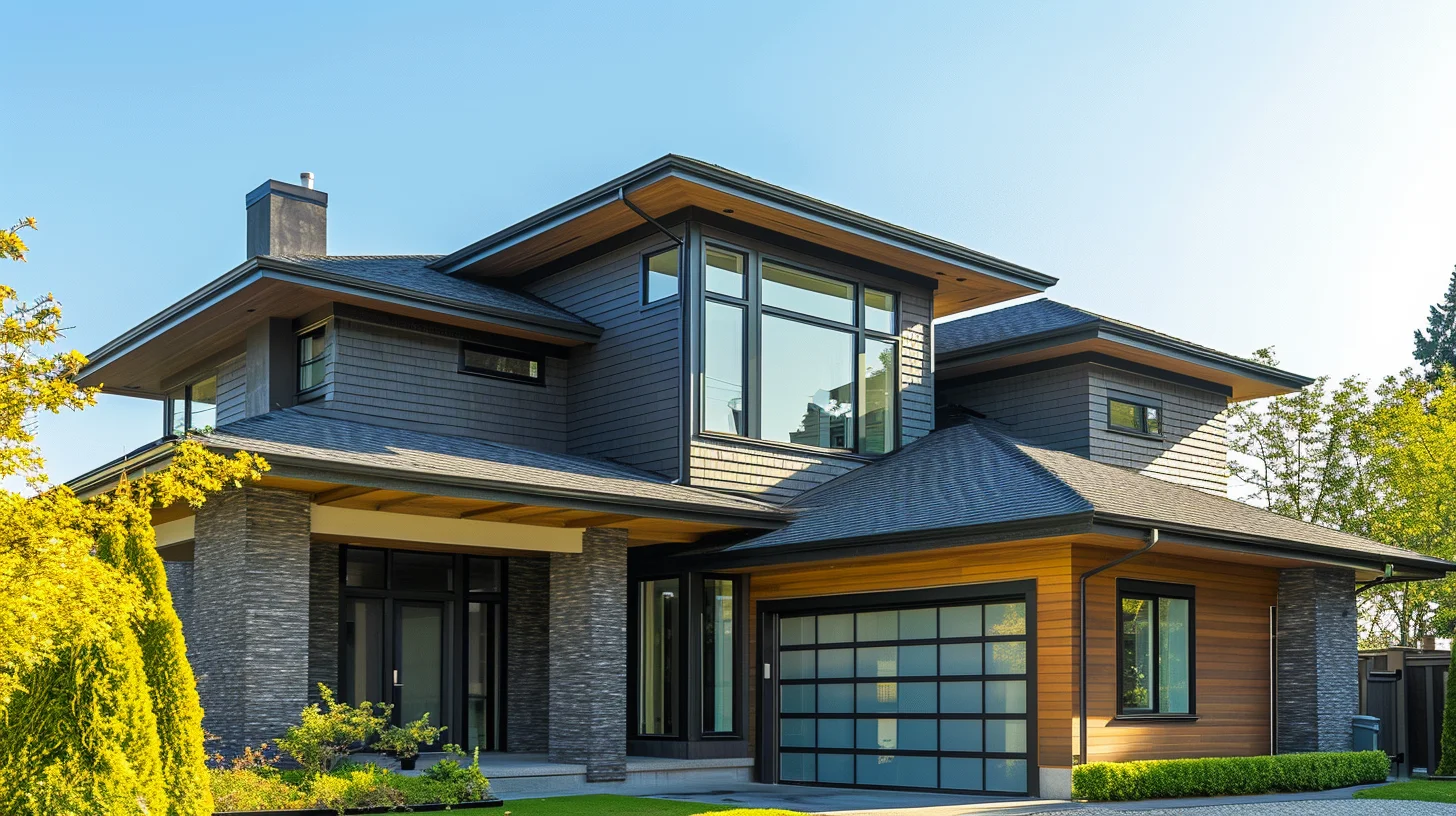
Budgeting for a roof? We explain the material, labor, and disposal costs that make up the final price.
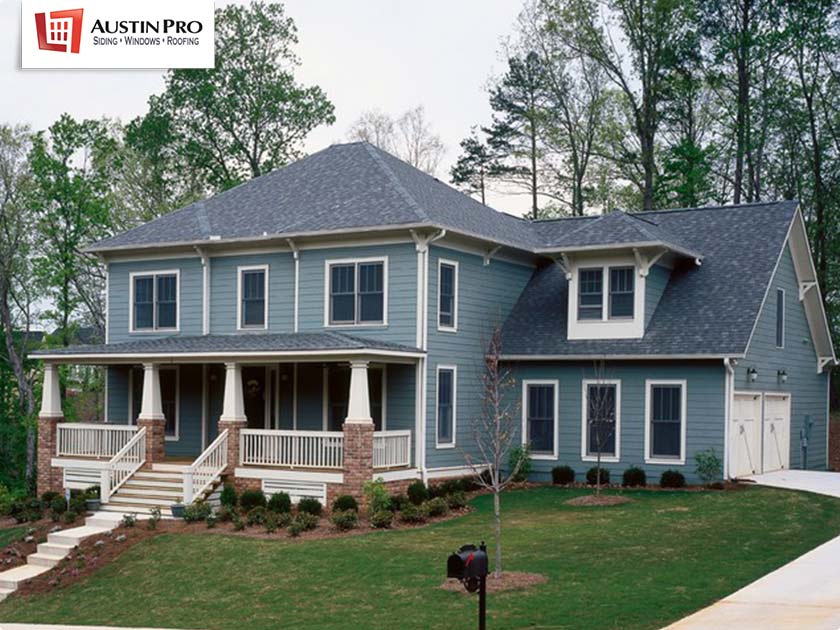
See how ColorPlus® technology keeps your siding vibrant and fade-resistant for years.
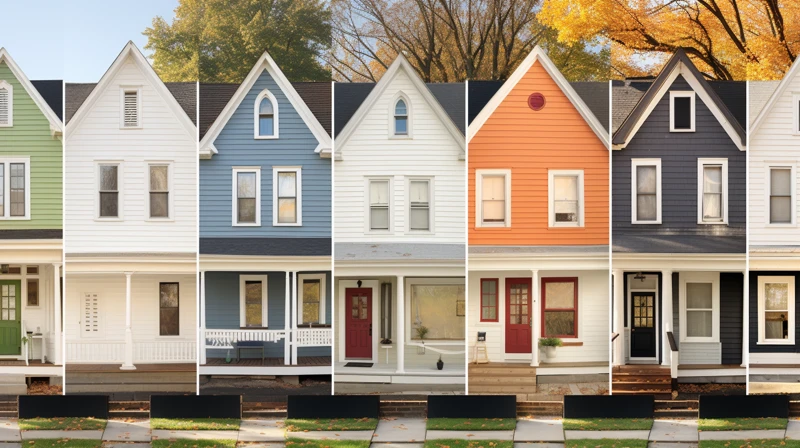
Trace the evolution of siding materials from traditional wood to modern, durable synthetics that offer superior protection and style.

Is triple-pane worth the investment? We compare the energy efficiency and noise reduction benefits of double vs. triple-pane glass.
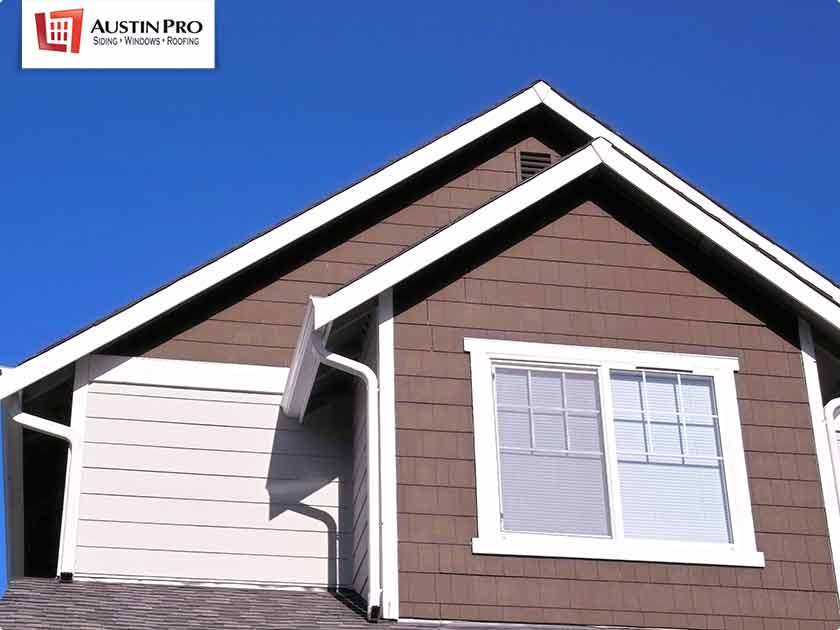
Discover how the right trim adds character and defines your home’s architectural style.
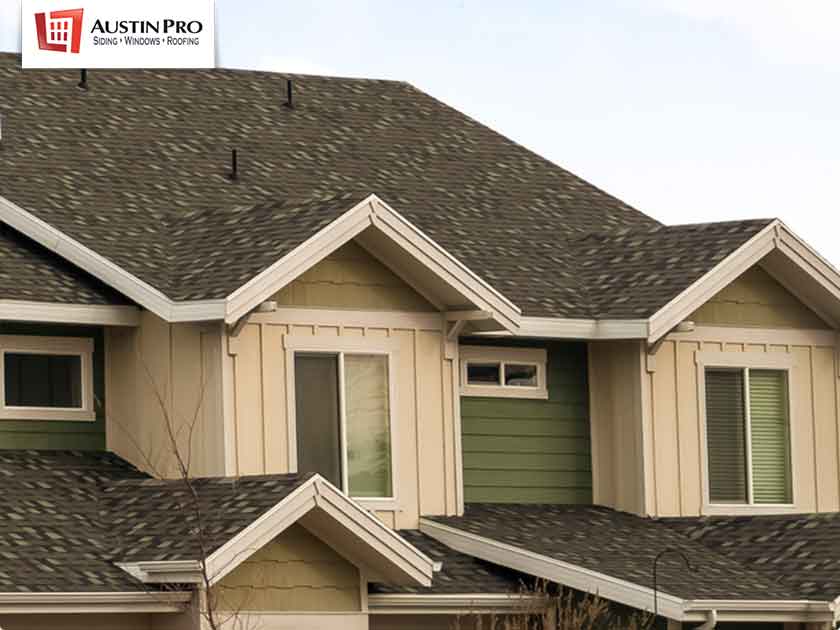
It’s the #1 choice for a reason. We explore the affordability and versatility of asphalt shingles.

Austin Pro crafts exteriors that not only captivate but also promise steadfast protection and reliability, embodying the vibrant spirit of Austin in every facade. Your home's exterior is its silent storyteller and first impression; let us help it speak volumes without uttering a word.