
Menu
< Main Menu
Social Media





Picture this: You're sitting in your Round Rock living room in August, sweating through a 104°F afternoon, idly scrolling Zillow and dreaming about a newer house with better windows and a layout that actually works. Then you click the mortgage calculator. Your $380,000 dream home at today's 7.1% rate would cost you roughly $800 more per month than your current payment — and that's before closing costs, realtor fees, and the moving truck.
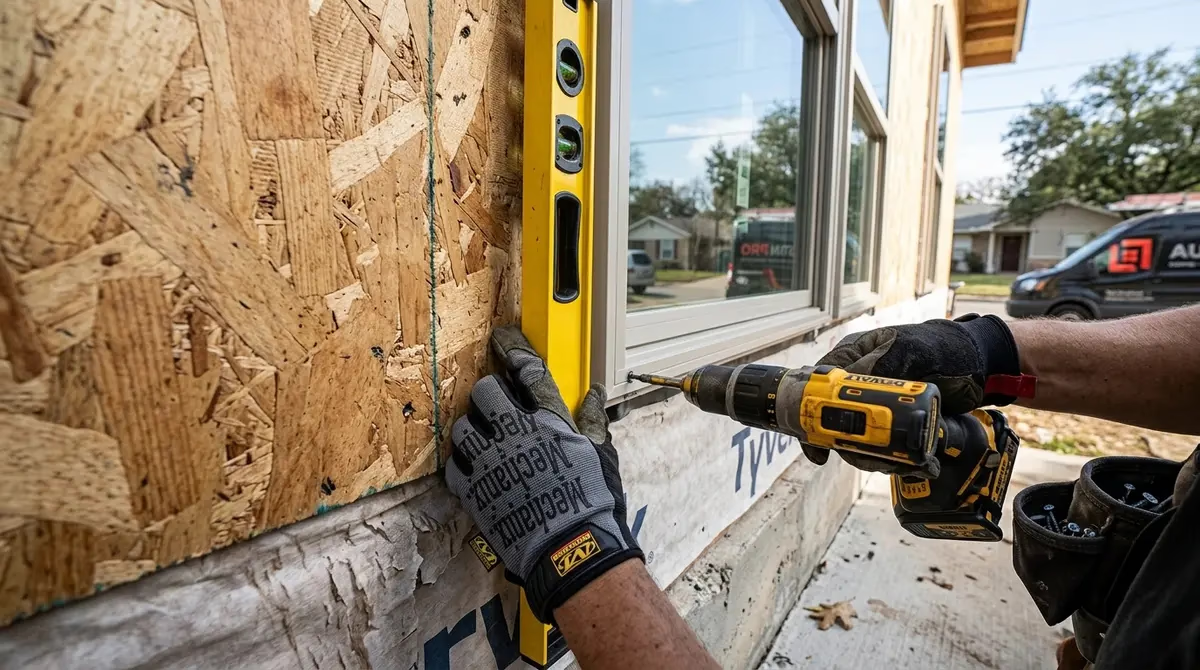
You close the app. You're not alone. Across Austin, thousands of homeowners who locked in 2.75% to 3.5% rates between 2020 and 2022 have essentially made a silent decision: we're not moving. What they're doing instead is something far smarter. They're taking the equity they've quietly accumulated — often $150,000 to $250,000 worth — and reinvesting it into the home they already own. And for most of them, full window replacement is at the top of the list.
This isn't a consolation prize. For the right Austin homeowner, it's the best financial move available right now.
Here's something most homeowners don't realize: if your Austin home was built or renovated during the housing booms of the mid-2000s or early 2010s, the windows that were installed were almost certainly builder-grade — the cheapest dual-pane units the developer could source. They were designed to pass a certificate of occupancy inspection, not to last 25 years in Central Texas.
Builder-grade windows typically use low-quality spacer bars between the panes that allow argon gas to leak out within 10 to 15 years. Once the gas is gone, you're left with a standard air gap that provides almost no insulation against Austin's brutal summer heat. The seals fail. Condensation forms between the panes. Frames warp or develop gaps that leak conditioned air directly outside.
You probably already feel it in one or two rooms — that uncomfortable radiant heat from the glass even when the A/C is running. Or you've noticed your electric bills climbing year over year without a clear reason. Maybe there's a faint whistling sound near the frames when a storm rolls through. These aren't minor annoyances. They're symptoms of a window system that has structurally broken down, and they get worse every summer.
We've written before about what happens when homeowners try to fix this problem cheaply — including a Round Rock window replacement we had to completely tear out after a single rainstorm because a bargain installer cut critical corners. The lesson is the same whether you're replacing one window or twenty: quality of installation matters as much as quality of product.
Let's talk dollars. According to the U.S. Department of Energy, replacing single-pane windows with ENERGY STAR-certified double-pane units can save homeowners between $125 and $465 per year on energy bills. In Austin, where summer cooling loads are extreme and electricity rates from Austin Energy have climbed steadily, the savings lean toward the higher end of that range — and then some.
A full window replacement on a typical 2,000-square-foot Austin home with 18 to 22 windows runs between $12,000 and $22,000 depending on product line and install complexity. Spread those savings across 10 years and factor in Austin Energy's rebates for qualifying ENERGY STAR windows, and your net cost of comfort drops significantly. Add the federal energy tax credit — currently 30% of project cost under the Inflation Reduction Act — and the financial case becomes genuinely compelling.
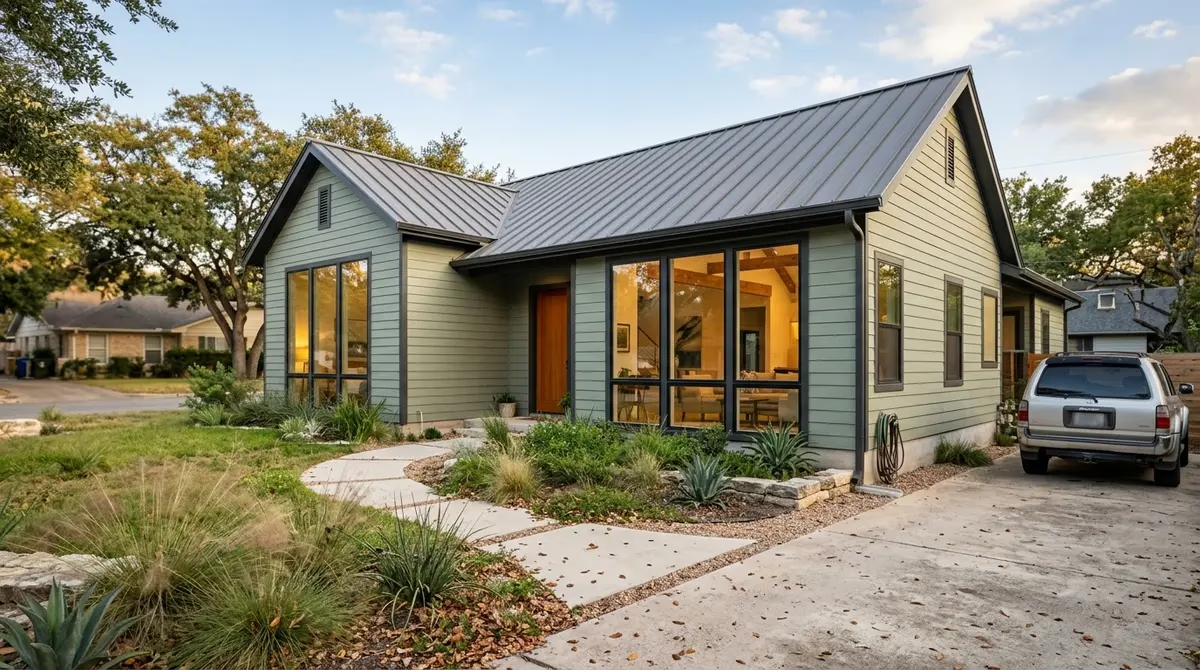
Travis County homeowners have watched their appraised values — and therefore their property tax bills — climb dramatically over the past five years. But here's the angle most people miss: upgrades like high-performance windows can be positioned to support a homestead exemption claim and help justify a formal appraisal protest when your assessed value creeps above market reality. More immediately, monthly utility savings of $80 to $150 directly offset a portion of that rising tax burden. It's not a wash, but it's real money back in your pocket every single month.
Almost every Austin home built in the last two decades has one — a room that becomes a sauna by 2 p.m. in July. It's usually west-facing: a primary bedroom, a home office, a bonus room above the garage. The thermostat reads 78°F in the hallway, but this room hits 86°F and the A/C never quite catches up.
Homeowners typically blame the HVAC system and spend thousands on service calls, additional insulation, or supplemental mini-splits. But the real culprit is almost always the windows. West-facing glass in Austin receives brutal afternoon solar gain — up to 200 BTUs per square foot per hour on a clear summer day. Standard builder-grade windows do almost nothing to stop that heat transfer. The result is a room you avoid for five months of the year.
The fix — specifically, upgrading to low-e triple-pane or high-performance dual-pane windows with solar heat gain coefficients (SHGC) below 0.25 — can cut that radiant heat load dramatically. We've covered the specifics of this phenomenon in depth, including why west-facing rooms are the priority: The 'Oven Room' Cure: Why Smart Austin Homeowners Are Prioritizing West-Facing Window Replacement. The short version is that you're not just adding comfort — you're recovering usable square footage you've essentially been paying mortgage on but not living in.
A home addition to create equivalent space costs $200 to $400 per square foot in Austin right now. High-performance window replacement costs a fraction of that and actually delivers a cooler, more functional version of the room you already have.
If you've owned your Austin home since 2018 or earlier, you're likely sitting on significant equity — enough to fund not just windows but a phased exterior transformation that could last 30 years. The smartest approach isn't to spend it all at once. It's to prioritize by return, comfort impact, and urgency.
Windows are typically the right first move because they affect energy costs, comfort, and curb appeal simultaneously. Industry cost-vs-value research consistently shows window replacement among the highest-returning exterior projects. From there, a logical sequence might include updated fiber cement siding to replace failing wood or original vinyl, followed by new entry and patio doors that match the performance level of your new windows.
The homeowners who get the best long-term results are the ones who think about their exterior as a system. Windows, doors, siding, and roofing all work together to manage heat, moisture, and air infiltration. Upgrading one element without planning for the others can leave you with performance gaps. A quality Austin contractor will help you map out a multi-phase plan that fits your budget and builds toward a genuinely resilient home envelope — not just a prettier facade.
At Austin Pro Siding, we work with a lot of homeowners in exactly this situation. They came to us thinking about one window in the bedroom that had fogged up. They left with a phased plan covering windows this year, siding in 18 months, and a patio cover the year after. The equity conversation changes everything — suddenly the math makes sense in a way that house-hunting simply doesn't.
If you're ready to stop scrolling Zillow and start building the home you actually want, a quick appointment with our team is the best first step. We'll walk through your home, talk honestly about what needs attention first, and give you a clear picture of what the investment actually looks like — no pressure, no sales theater.
You locked in a great rate. Now lock in a great home.
Create a cohesive look by coordinating your interior window trim with your home’s decor.
Are you damaging your windows? Avoid these common cleaning and maintenance mistakes.
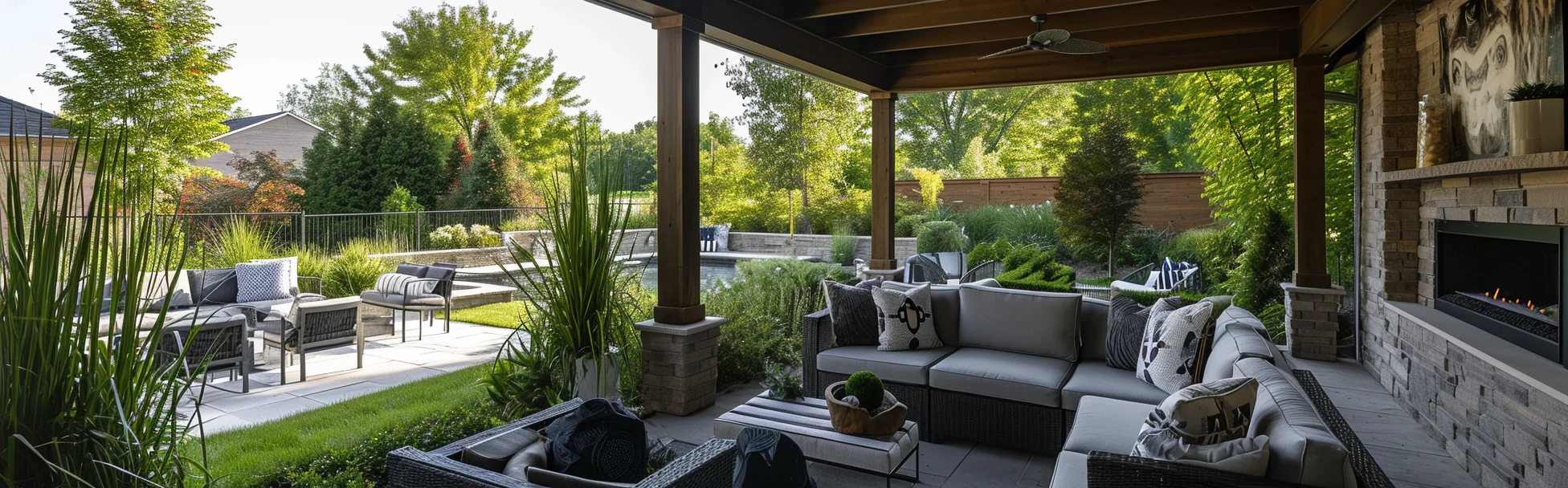
Create an outdoor escape right in your backyard. Get inspired by these covered patio designs perfect for relaxation and entertaining.
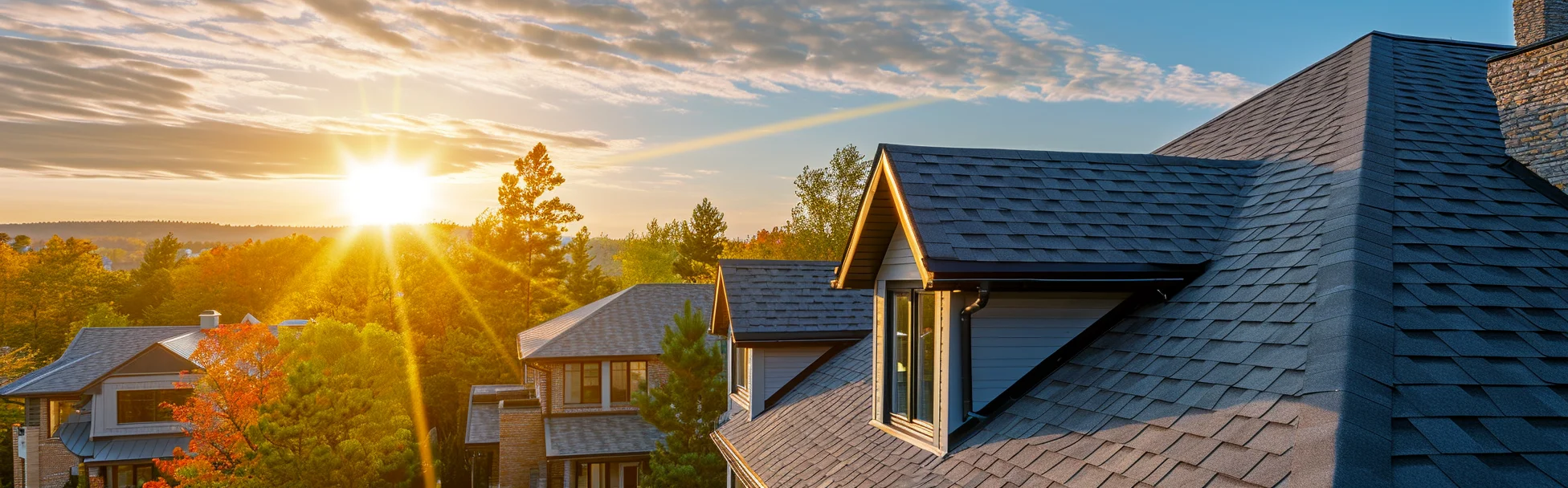
Texas weather demands tough roofs. Learn how tailored roofing solutions can withstand Austin's heat, storms, and unique climate challenges.
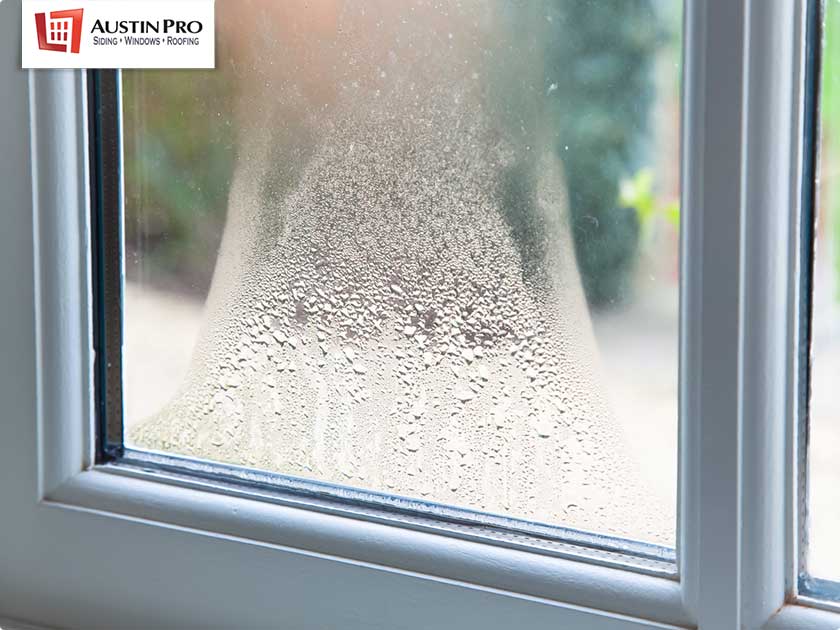
Condensation explained. Why your windows sweat in the summer and what it means for humidity levels.
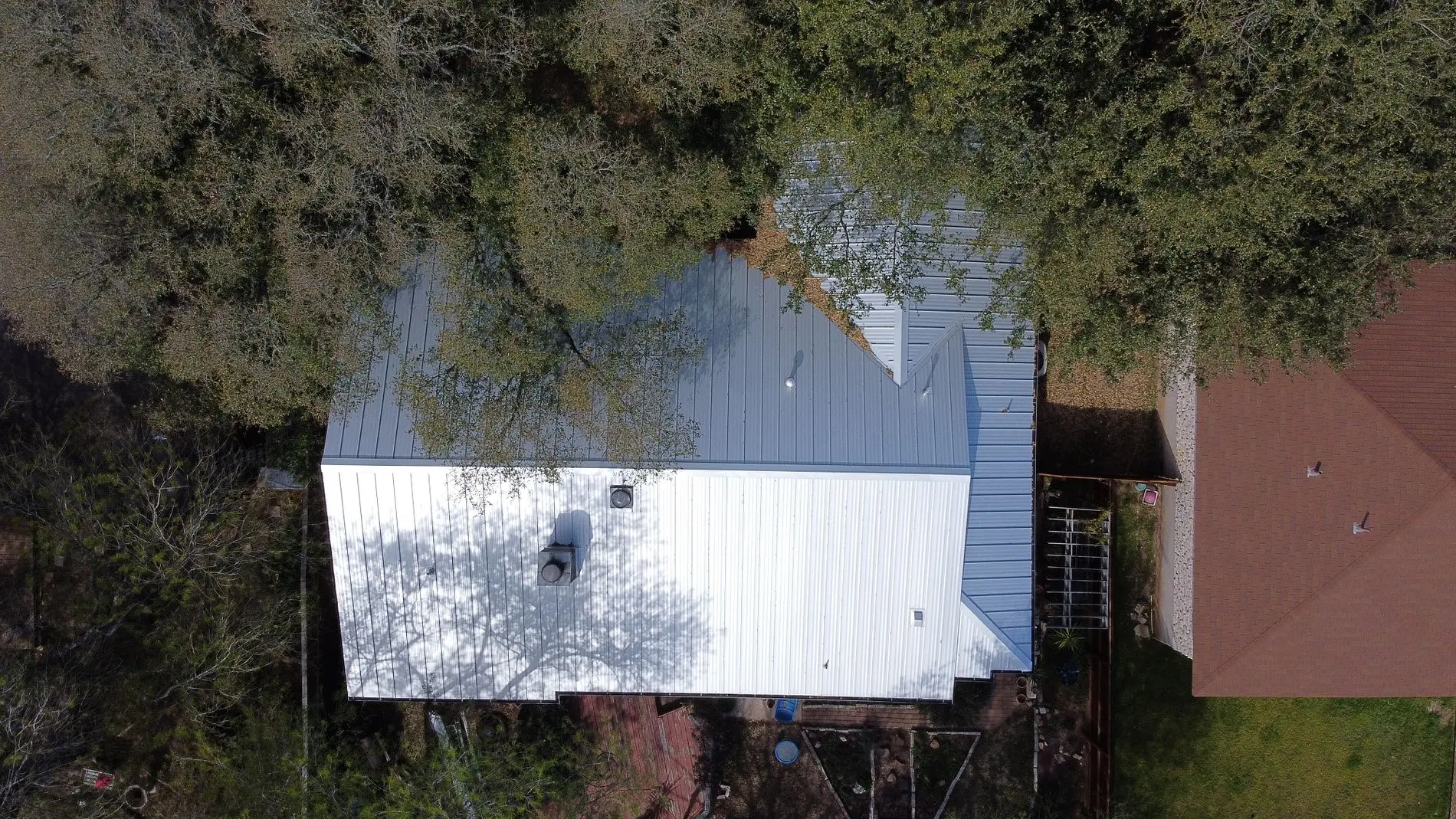
Sleek lines, hidden fasteners. We detail the superior weather protection of standing seam metal roofs.

Austin Pro crafts exteriors that not only captivate but also promise steadfast protection and reliability, embodying the vibrant spirit of Austin in every facade. Your home's exterior is its silent storyteller and first impression; let us help it speak volumes without uttering a word.