Menu
< Main Menu
Social Media





Ever notice how a gorgeous wood front door can look “tired” after just a few Austin summers? That’s not bad luck—it’s the climate. If you’re planning a smart home improvement that boosts curb appeal without signing up for constant upkeep, the wood-vs.-fiberglass debate matters more here than almost anywhere else.
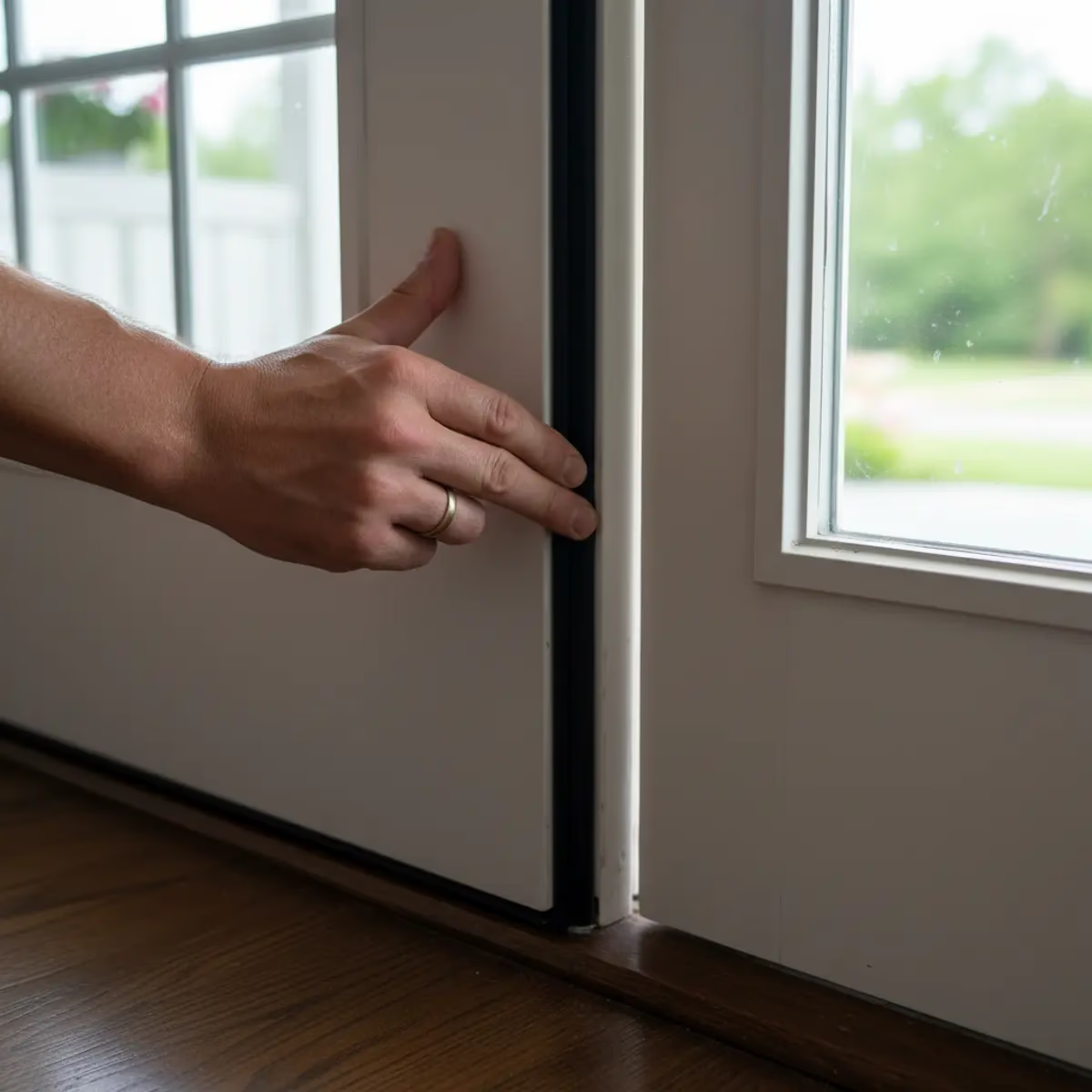
In this guide, you’ll learn what Central Texas weather really does to wood, why modern fiberglass has become the go-to upgrade, and how the right entry door can reduce air leaks, maintenance, and long-term costs.
Wood doors are easy to fall for. The weight. The warmth. The way real grain catches the light at sunset. In older neighborhoods across Central Austin, you’ll still see classic wood entries that feel like part of the home’s story.
But here’s the part most homeowners don’t hear until year two or three: in Austin, a wood door isn’t a “set it and forget it” feature. It’s a recurring project.
Depending on exposure (full sun, no porch cover, western-facing), many wood doors need periodic attention to stay sealed and stable:
If you love the ritual of maintenance, wood can be rewarding. If you want a door that looks high-end with less work, keep reading.
Austin isn’t just hot. It’s inconsistent. We get blazing UV, sudden downpours, humid mornings, and dry afternoons—sometimes in the same week. That constant expansion and contraction is brutal on natural materials.
Wood is porous. Even when sealed, it still exchanges moisture with the air over time. Add intense sunlight and heat, and the door’s surface and core rarely age at the same pace.
Common “Texas Torture Test” outcomes include:
It’s not just aesthetics. Once a door stops sealing evenly, you’ve created an energy and security weak point at the most used opening in your home.
Want to understand the “sun factor” behind fading and finish breakdown? The EPA’s overview of UV radiation is a helpful primer.
Fiberglass doors used to be easy to spot—flat, plastic-looking, and obviously “not wood.” That era is over. Today’s premium fiberglass doors can convincingly mimic oak, mahogany, walnut, and more, complete with deep grain texture and realistic stain tones.
The real advantage isn’t just looks—it’s stability. Fiberglass skins over an insulated core are engineered to handle weather swings without the same moisture-driven movement that causes wood to distort.
Another underrated perk: fiberglass is often more forgiving if your entry gets hit hard by afternoon sun (hello, west-facing doors in Round Rock and Pflugerville).
If you’re exploring options, Austin Pro Siding’s door replacement services page lays out common door types and what to consider before you choose.
Here’s the surprising part: many “drafty house” complaints aren’t just about old windows. A slightly warped or poorly sealed front door can leak a lot of conditioned air—especially when weatherstripping no longer contacts evenly.
When a wood slab swells or bows, it can compress weatherstripping in one spot and pull away in another. That creates tiny gaps you may not see—but you’ll feel them when the north wind hits or when your HVAC runs nonstop in August.
The U.S. Department of Energy notes that air leaks around openings can be a major source of energy loss and recommends sealing and weatherstripping as a key efficiency step.
Because fiberglass doors are less prone to moisture-driven expansion, they tend to maintain a more consistent fit in the frame. That helps:
If you’re thinking about a larger exterior upgrade—pairing a new entry door with window replacement, for example—your home can feel noticeably tighter and quieter.
Wood doors can be less expensive upfront—or they can be very expensive if you choose premium hardwoods. Either way, the long-term cost in Austin often comes down to maintenance and performance drift.
Even if you do everything right, you’re still budgeting time and money for:
Fiberglass usually costs more than entry-level wood at the start, but it often wins over the long haul because it needs less intervention to keep looking sharp and sealing properly.
If your door gets strong sun exposure and occasional wind-driven rain (common in Leander, Cedar Park, and open lots in Hutto), fiberglass tends to be the more predictable long-term investment. If your entry is deeply shaded and you enjoy refinishing work, wood can still make sense.
And if you’re already tackling bigger exterior decisions—like siding installation—choosing a low-maintenance door can keep your overall upkeep schedule manageable.
Before you buy based on looks alone, use this short checklist. It prevents the most common “why is my new door sticking?” regret.
If you want a second set of eyes, consulting a local pro who understands Austin’s climate is worth it. Austin Pro Siding works across Austin and surrounding areas, and can help you match a door style to real-world exposure—not showroom lighting.
Austin homeowners aren’t abandoning wood because they stopped loving it. They’re switching because our climate is relentless—and a front door shouldn’t become a maintenance hobby. Fiberglass delivers the high-end wood look people want, with the stability, sealing consistency, and moisture resistance our weather demands.
If you’re weighing options or dealing with a door that sticks, leaks air, or shows early rot, start with a simple assessment. Browse fiberglass and entry door options, read what homeowners say on our reviews page, and when you’re ready, contact Austin Pro Siding to talk through the best long-term fit for your home.
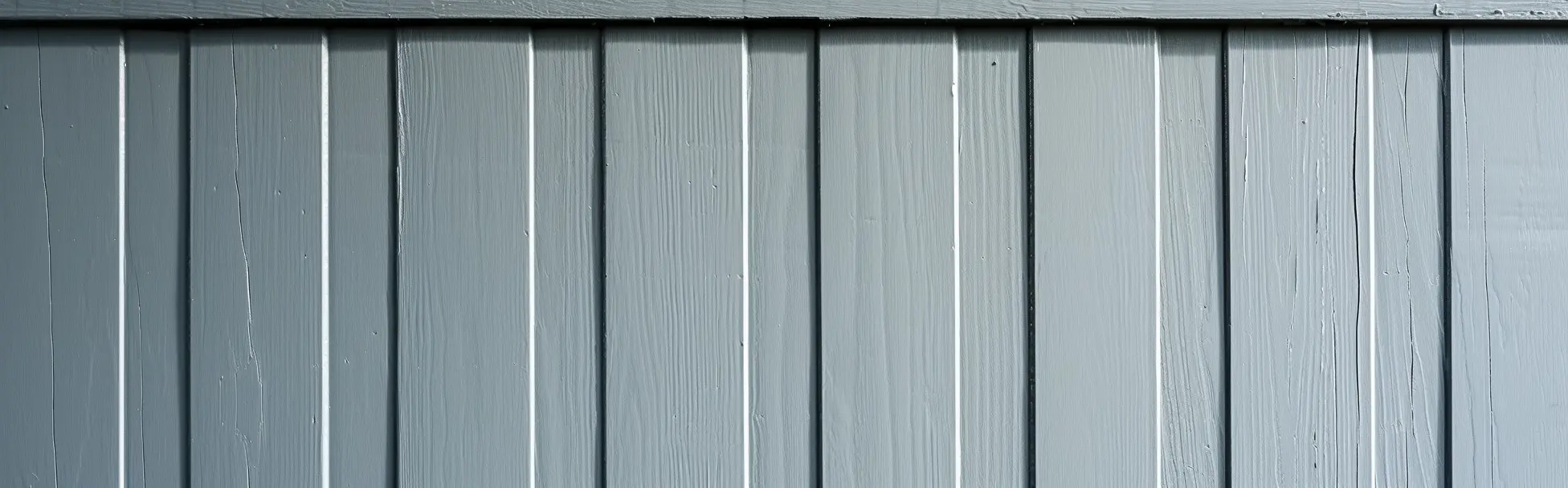
We dive deeper into design ideas and material options for achieving the perfect board and batten look.
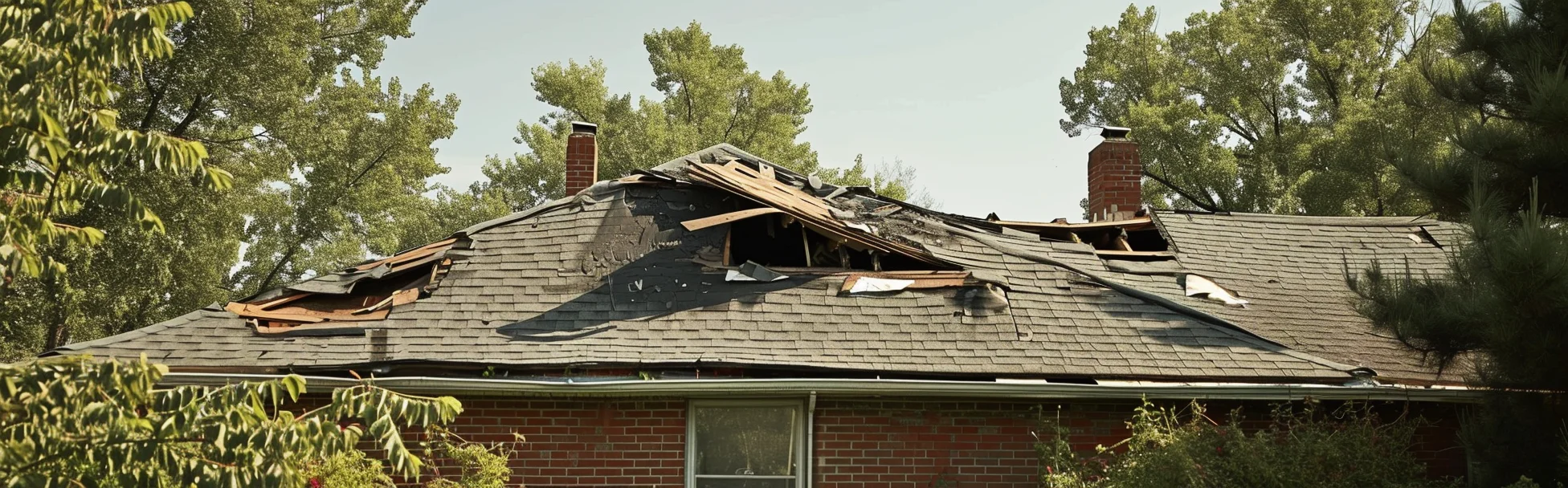
Stuck between patching and replacing? We break down the cost-benefit analysis for you.

That sweltering "oven room" in your Austin home isn't an HVAC problem — it's a window problem. Upgrading just your west-facing windows with low-SHGC, ENERGY STAR-certified glass can dramatically cut heat gain, lower your cooling bills, and make every room in your home livable again. Learn why smart Austin homeowners are making this targeted upgrade first.
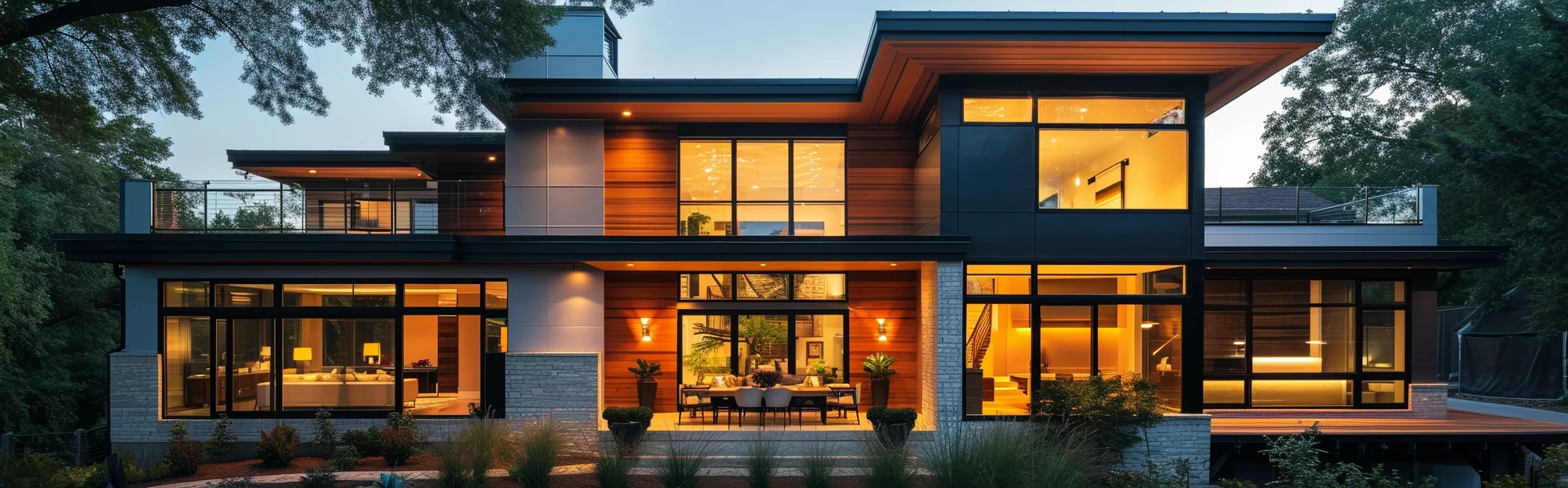
Connect the dots. We show exactly how energy-efficient windows lead to lower monthly utility bills.
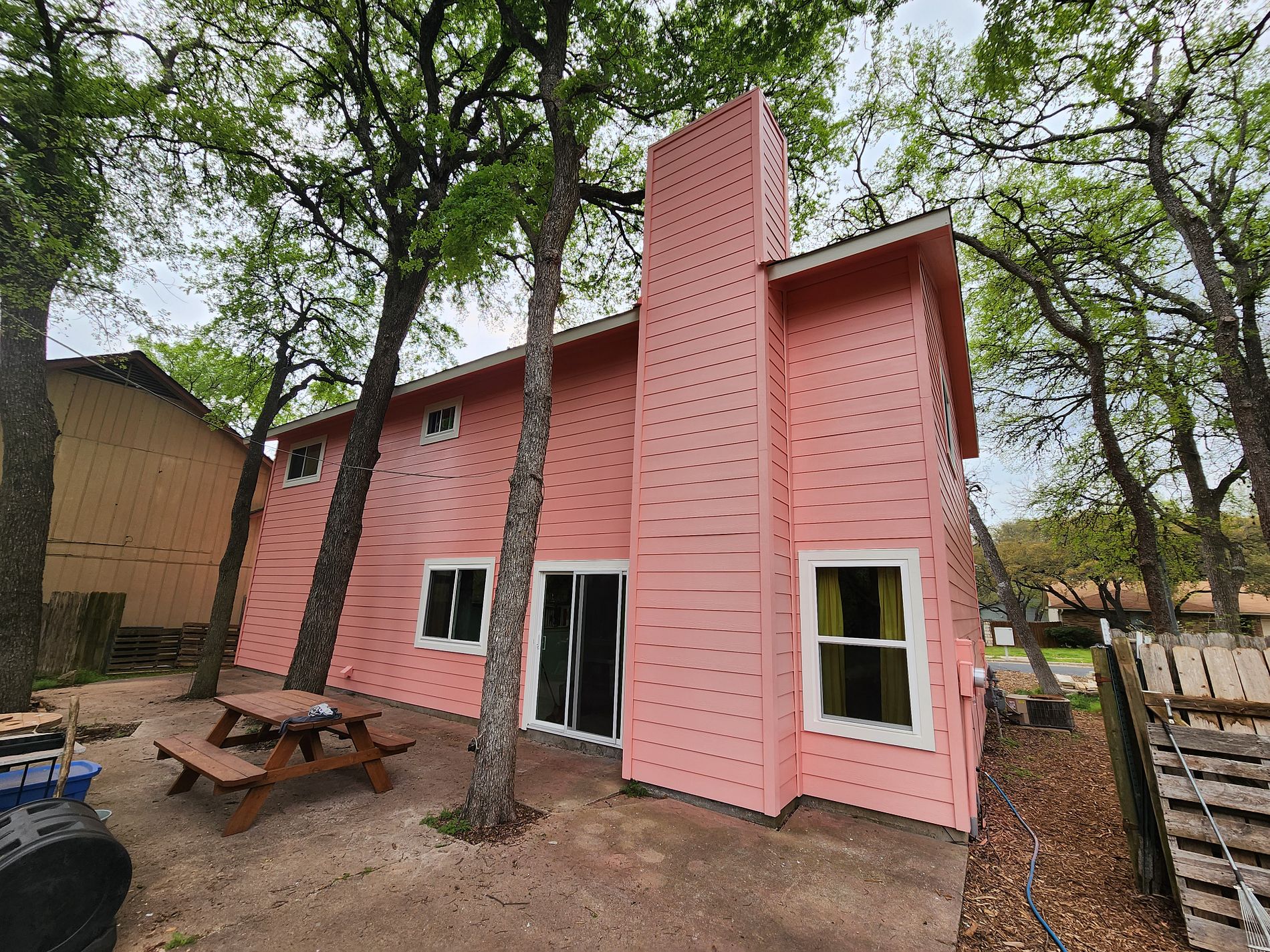
Protect yourself. Ask these critical questions to ensure your siding contract covers all the bases.
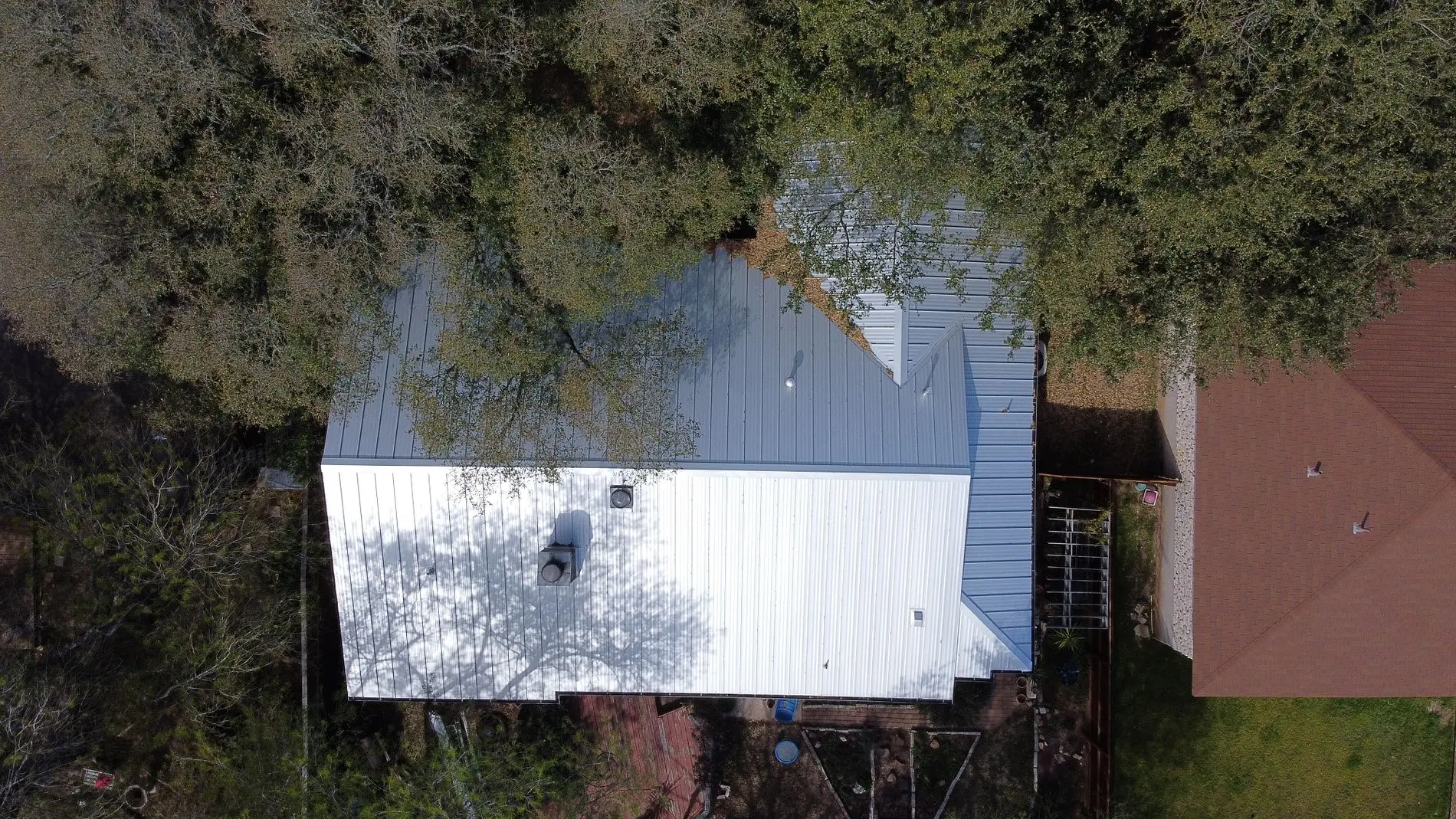
Myth-busting metal roofs. We cover the noise, durability, and cost facts every buyer should know.

Austin Pro crafts exteriors that not only captivate but also promise steadfast protection and reliability, embodying the vibrant spirit of Austin in every facade. Your home's exterior is its silent storyteller and first impression; let us help it speak volumes without uttering a word.