
Menu
< Main Menu
Social Media





When hailstorms strike, they bring more than just a spectacle of nature; they bring a threat to the very integrity of our homes. Hail, varying in size from small pebbles to golf balls, can wreak havoc on roofing systems, leading to both visible and hidden damages. This article delves into the science behind hail formation, its varying impacts on different roofing materials, and why it's considered one of the most damaging weather phenomena for roofs.
Hail forms during thunderstorms when updrafts carry raindrops into extremely cold areas of the atmosphere, turning them into ice balls. These ice missiles, when hurled onto roofs, can cause significant damage such as shattering shingles, denting metal roofs, or even breaking skylights. The severity of damage hinges on the hail's size, wind speed, and the roof's age and material. Older roofs or those made from less durable materials are particularly susceptible, emphasizing the need for robust roofing solutions.
While we can't control the weather, we can certainly fortify our homes against it. Choosing hail-resistant roofing materials, like impact-resistant shingles (check ratings by the Insurance Institute for Business & Home Safety or metal roofing, can greatly reduce damage. Regular roof inspections and maintenance also play a crucial role in identifying vulnerabilities before they escalate into significant problems. By employing preventative strategies, homeowners can mitigate the risks and costs associated with hail damage.
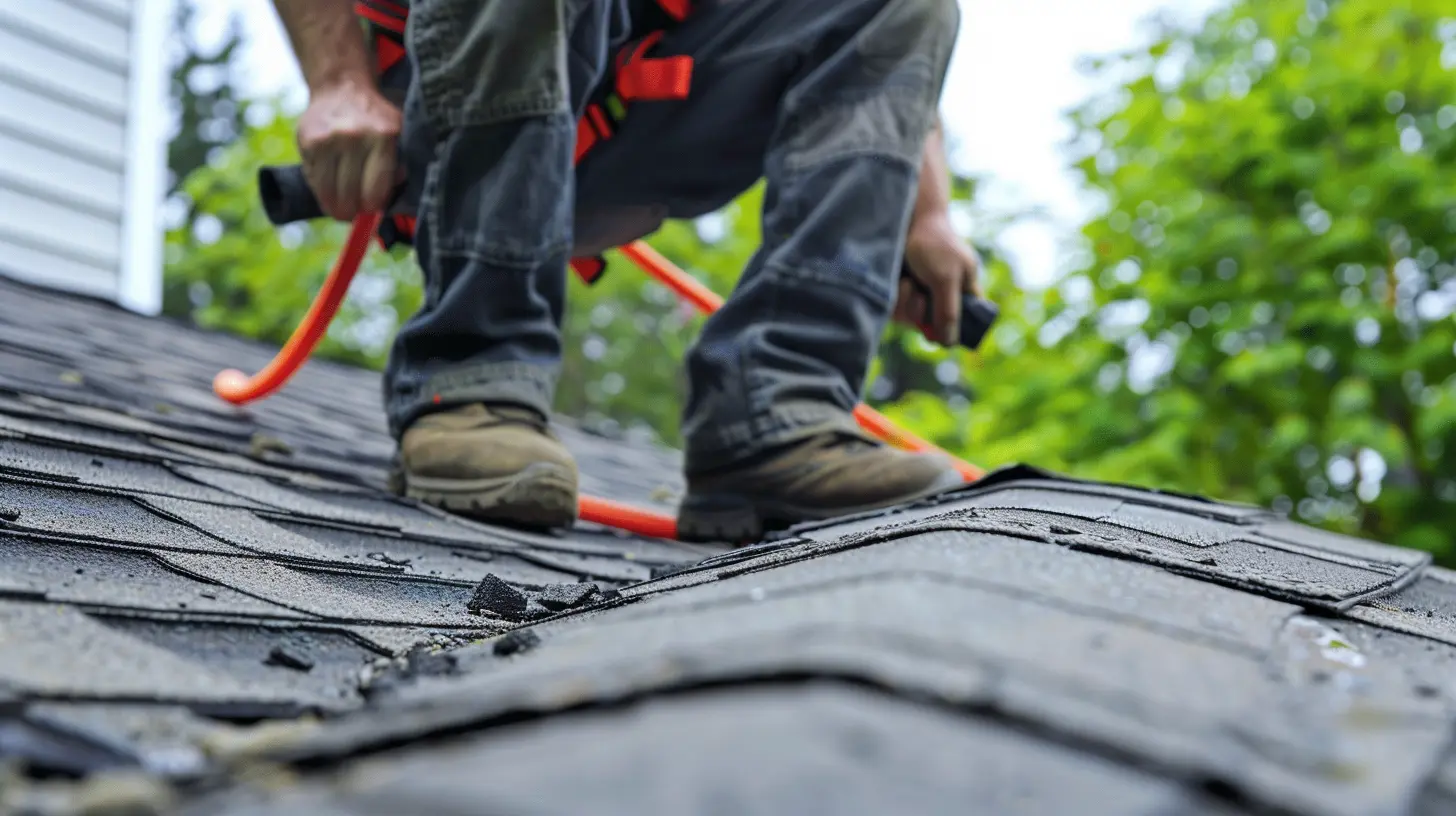
Once hail damage has occurred, timely and effective repair is critical. This involves a thorough inspection to assess the extent of damage and identify the most suitable repair or replacement options. Using quality materials like GAF shingles for asphalt roofing, or opting for durable metal roofing, ensures long-term protection. Professional roofing services, experienced in dealing with hail damage, can offer tailored solutions that restore roof integrity and peace of mind.
In conclusion, while hail damage poses a significant threat to roofing systems, understanding its impact and adopting proactive measures can greatly enhance a roof's resilience. From selecting the right materials to regular maintenance and prompt repairs, homeowners can effectively safeguard their homes against this unpredictable weather challenge. As we look to the future, the focus remains on building durable, hail-resistant roofing systems that stand the test of time and nature
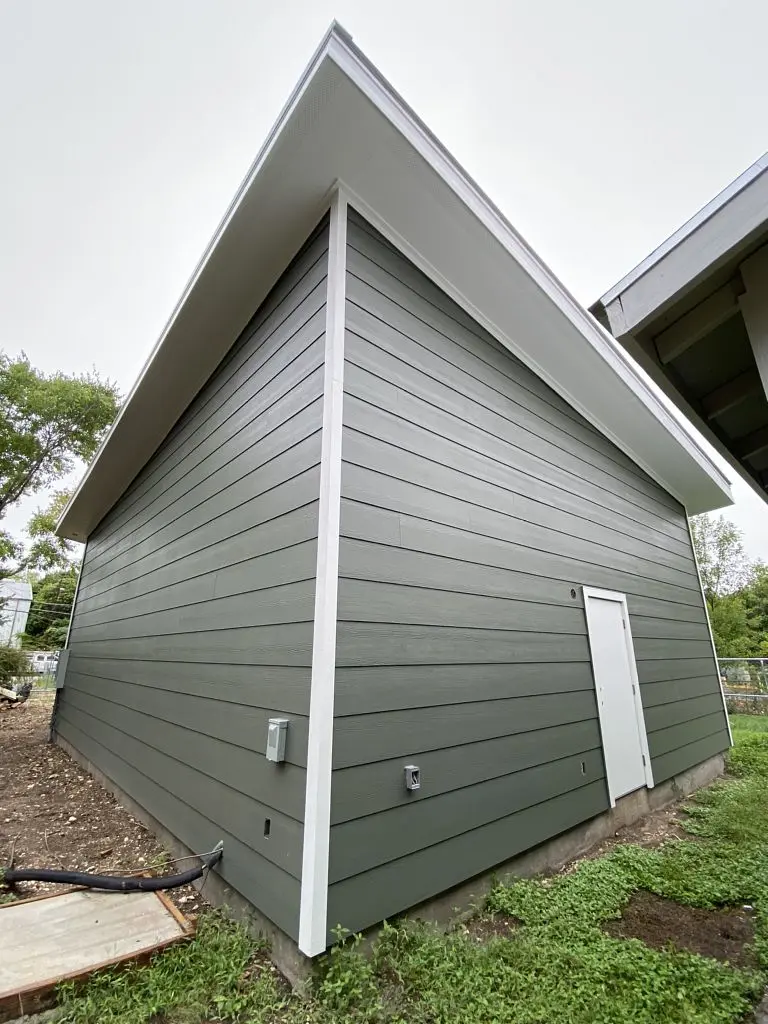
What goes under your siding matters. We answer frequently asked questions about house wrap and its role in weatherproofing your home.
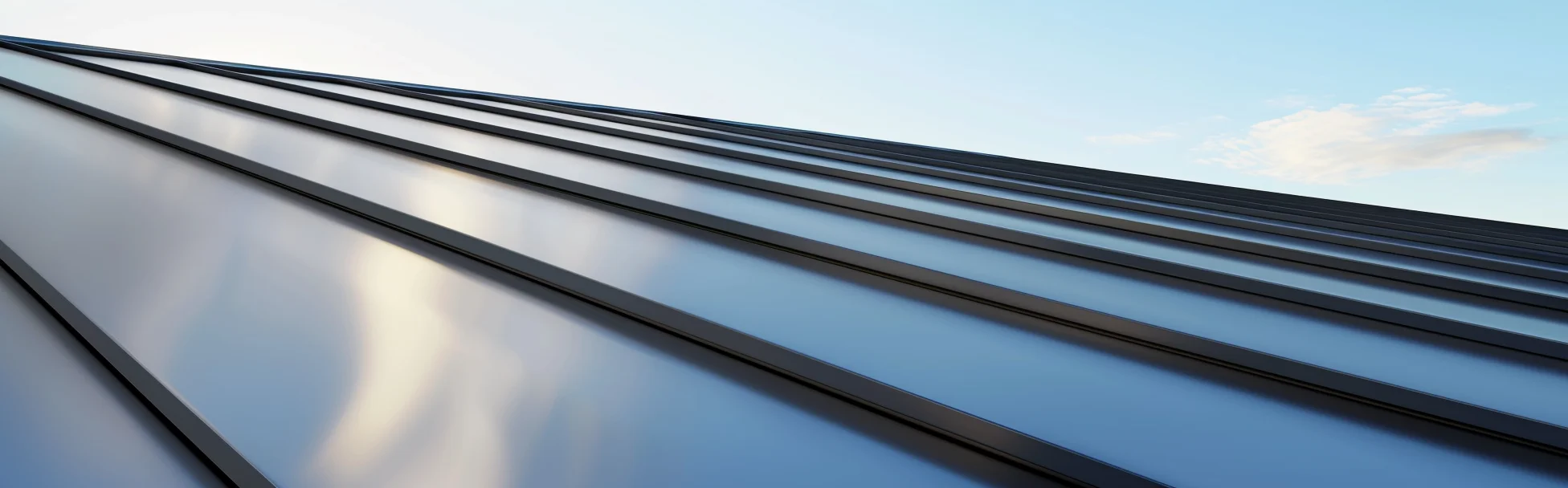
Durable and industrial-chic. Discover why Galvalume metal roofing is gaining popularity in Austin.
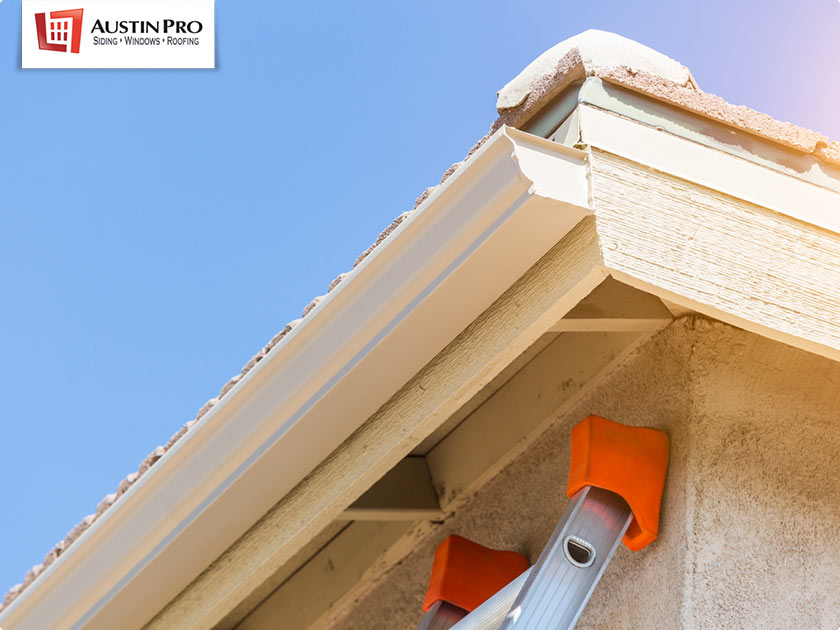
Confused by gutter styles? We break down the differences between K-style and half-round gutters to help you pick the best drainage system.

Austin's extreme heat puts every deck material to the test — and composite decking has a complicated reputation. This guide cuts through the myths to explain how modern capped composite boards actually perform in Central Texas summers, and what color, product type, and installation details make or break your investment.
Thinking of painting your brick? Weigh the pros and cons of this popular trend to decide if it's the right choice for your home's exterior.
Planning an exterior update? Keep these three critical factors in mind—durability, aesthetics, and maintenance—to select the perfect siding.12

Austin Pro crafts exteriors that not only captivate but also promise steadfast protection and reliability, embodying the vibrant spirit of Austin in every facade. Your home's exterior is its silent storyteller and first impression; let us help it speak volumes without uttering a word.